
Turbinoplasty (Concha Surgery)
Turbinoplasty is a surgical procedure to reduce or reshape enlarged nasal turbinates (conchae) that obstruct airflow, improving breathing and overall quality of life.
Causes of turbinate enlargement:
- Chronic allergic or non-allergic rhinitis
- Deviated nasal septum
- Long-term use of nasal drops
- Chronic nasal congestion and sinusitis
Procedure:
- Performed under local or general anesthesia
- Endoscopic approach using camera and micro-instruments
- Techniques include:
- Radiofrequency ablation – tissue shrinks from internal heat energy
- Microdebrider or laser removal of tissue
- Submucosal reduction – inner structure reduced while preserving mucosa
Benefits:
- Painless and incision-free methods available
- No external aesthetic changes
- Short, safe procedure
- Significantly improves breathing
- Enhances sense of smell and sleep quality
Recommended for:
- Patients with long-term nasal congestion
- Those who do not respond adequately to medication
- People with snoring or sleep-related breathing issues
- Can be combined with septoplasty or other nasal surgeries
After the procedure:
- Mild discomfort and congestion for 1–3 days
- Slight blood discharge is normal
- Nasal irrigation and care for 1–2 weeks
- Return to work and normal activities in 2–5 days
- Full recovery in 2–4 weeks
FAQs:
1. Why don’t medications work?
- Thickened turbinate tissue reduces the effectiveness of nasal drops; surgery addresses the problem permanently.
2. Will nasal appearance change?
- No, procedure is internal and does not affect external aesthetics.
3. Can turbinates grow back?
- Possible if allergies or other causes persist, but regular check-ups and treatment minimize recurrence.
Causes of turbinate enlargement:
- Chronic allergic or non-allergic rhinitis
- Deviated nasal septum
- Long-term use of nasal drops
- Chronic nasal congestion and sinusitis
Procedure:
- Performed under local or general anesthesia
- Endoscopic approach using camera and micro-instruments
- Techniques include:
- Radiofrequency ablation – tissue shrinks from internal heat energy
- Microdebrider or laser removal of tissue
- Submucosal reduction – inner structure reduced while preserving mucosa
Benefits:
- Painless and incision-free methods available
- No external aesthetic changes
- Short, safe procedure
- Significantly improves breathing
- Enhances sense of smell and sleep quality
Recommended for:
- Patients with long-term nasal congestion
- Those who do not respond adequately to medication
- People with snoring or sleep-related breathing issues
- Can be combined with septoplasty or other nasal surgeries
After the procedure:
- Mild discomfort and congestion for 1–3 days
- Slight blood discharge is normal
- Nasal irrigation and care for 1–2 weeks
- Return to work and normal activities in 2–5 days
- Full recovery in 2–4 weeks
FAQs:
1. Why don’t medications work?
- Thickened turbinate tissue reduces the effectiveness of nasal drops; surgery addresses the problem permanently.
2. Will nasal appearance change?
- No, procedure is internal and does not affect external aesthetics.
3. Can turbinates grow back?
- Possible if allergies or other causes persist, but regular check-ups and treatment minimize recurrence.
Doctors
Dr. Khayyam Masiyev
Specialist in otolaryngology and head and Neck Surgery, Chief Physician
Dr. Tajaddin Muradov
Specialist in otolaryngology and head and Neck Surgery
Dr. Jamshid Mammadov
Otolaryngologist

Docent. Dr. Ramil Hashimli
Otolaryngologist, Phoniatrist
Dr. Dilshad Shadlinskaya
Otolaryngologist, Phoniatrist
Dr. Kamil Suleymanov
Otolaryngologist, Phoniatrist
Dr. Ilkin Mikayilzade
Otolaryngologist
Dr. Sevinc Shikhaliyeva
Ear, Nose and Throat (ENT) Surgeon

Dr. Nuray Shukurova
Otolaryngologist
Dr. Natavan Yagubova
Otolaryngologist
Dr. Yavarifar Mehrdad
Otolaryngologist
Dr. Agil Agayev
Otolaryngologist, otolaryngologist

Dr. Elvira Yagubova
Otolaryngologist
Dr. Taliya Mammadova
Otolaryngologist
Dr. Kamila Allahverdiyeva
Otolaryngologist
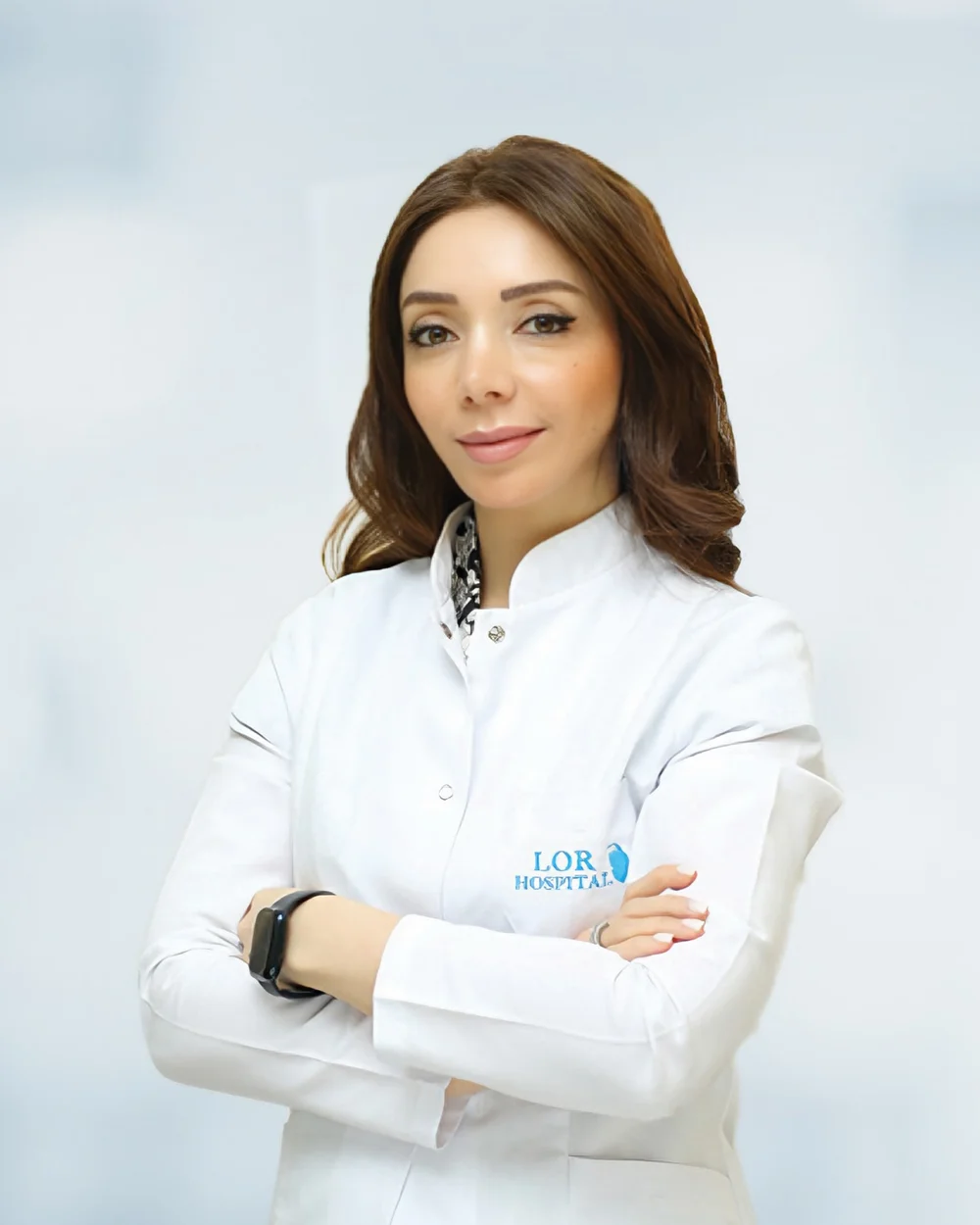
Dr. Amalia Mammadova
Audiologist
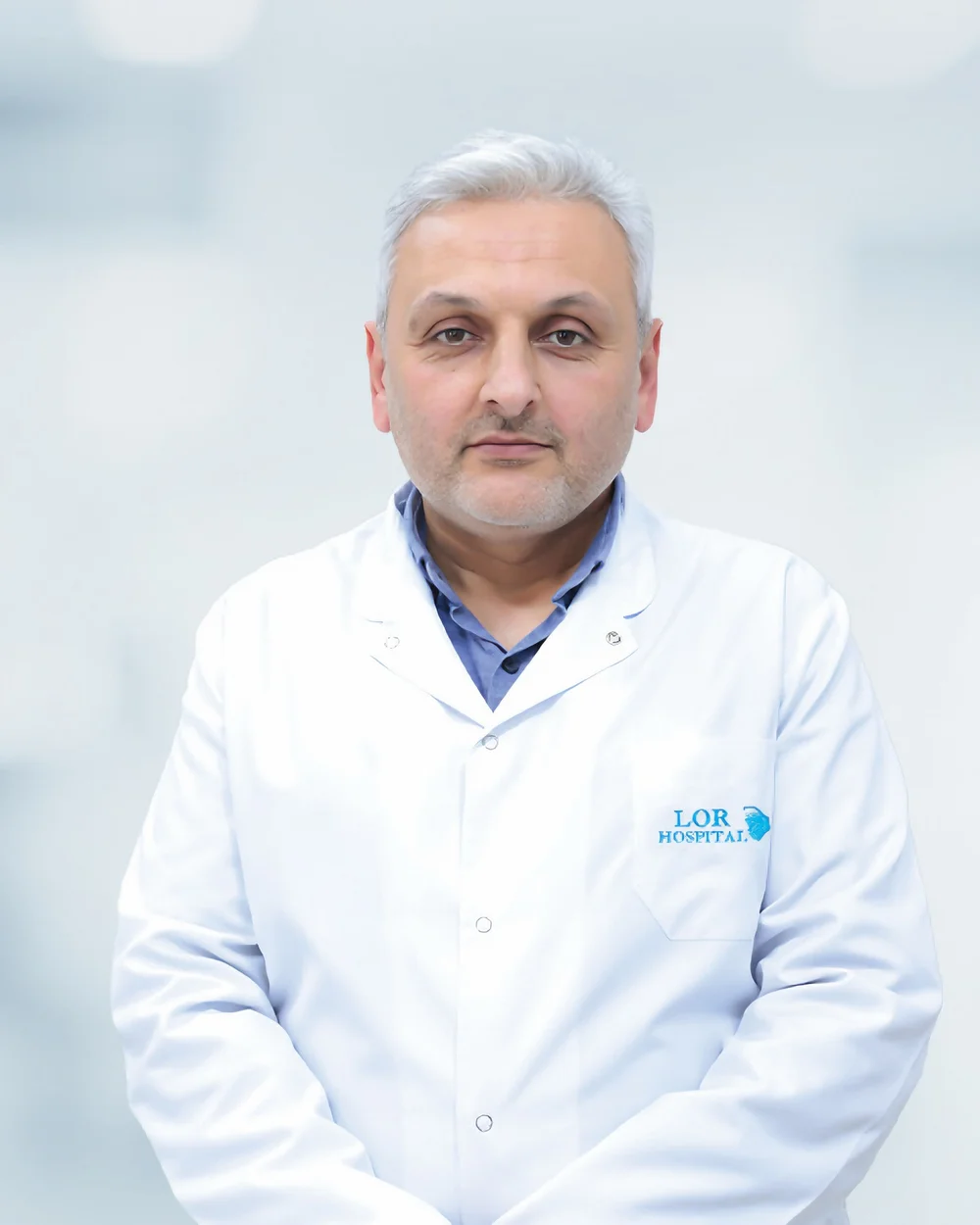
Dr. Joshgun Mammadli
Pulmonologist
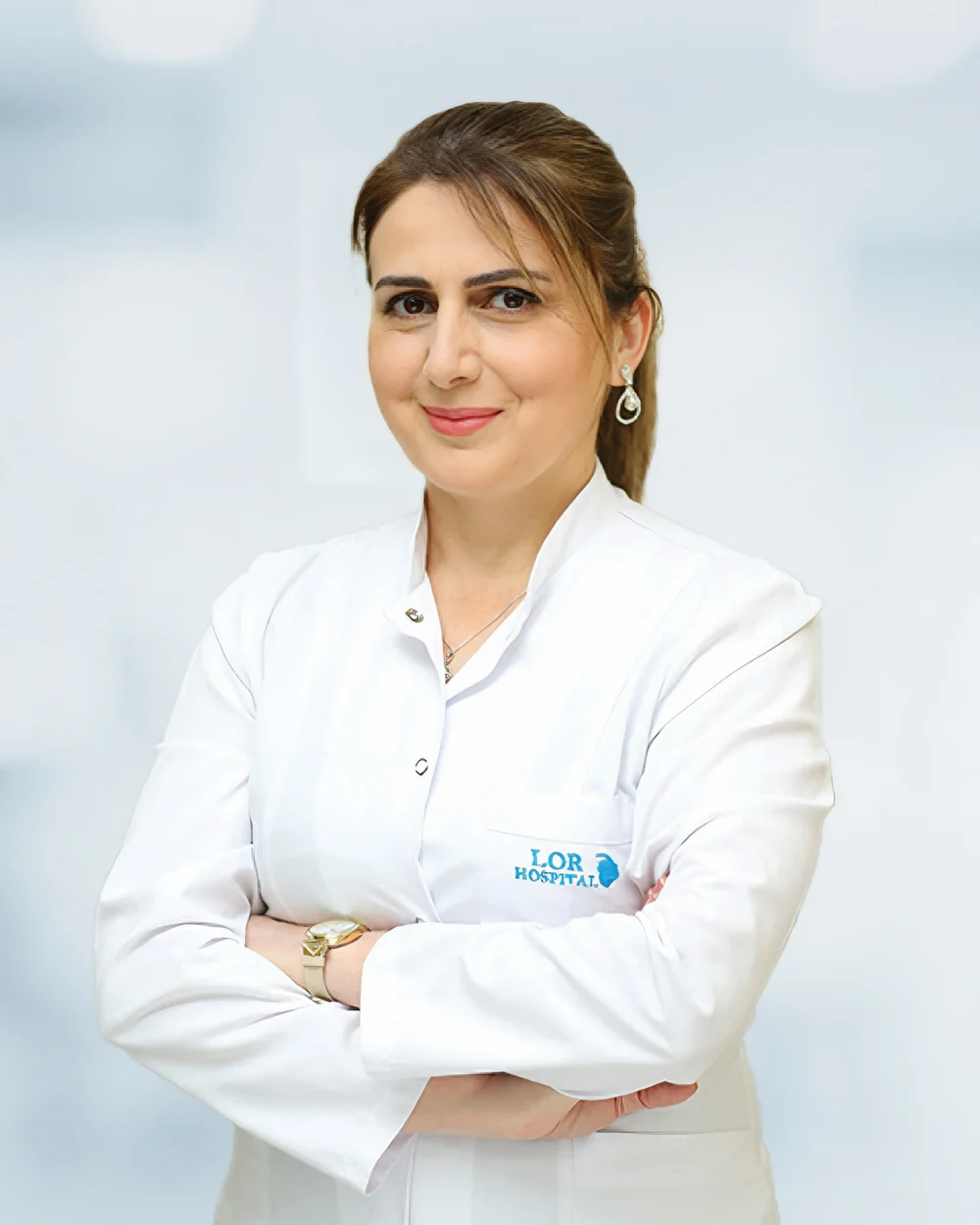
Dr. Sevda Hajiyeva
Cardiologist

Dr. Mahtaban Gadimali
Otolaryngologist
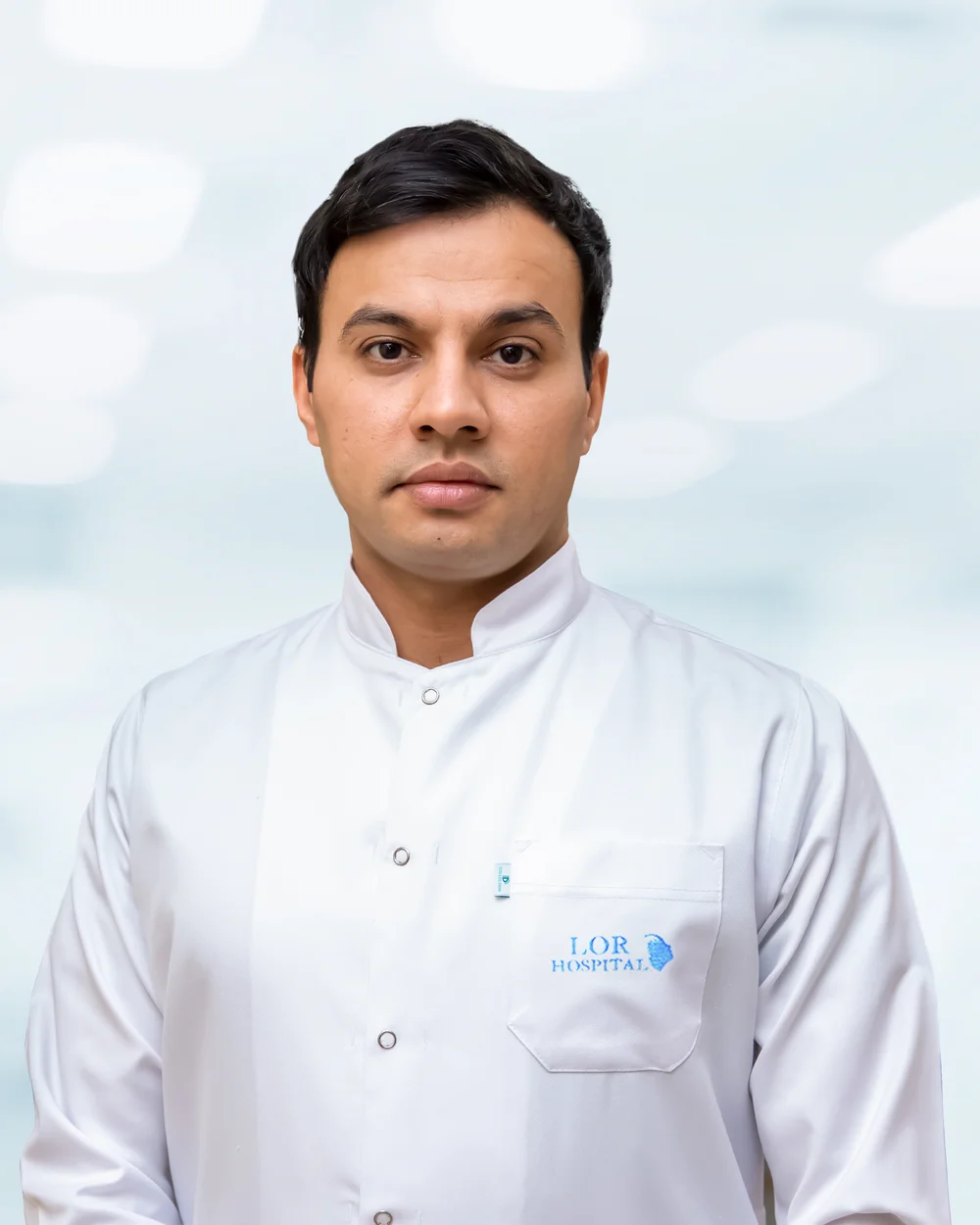
Dr. Ulvi Malikov
Otolaryngologist
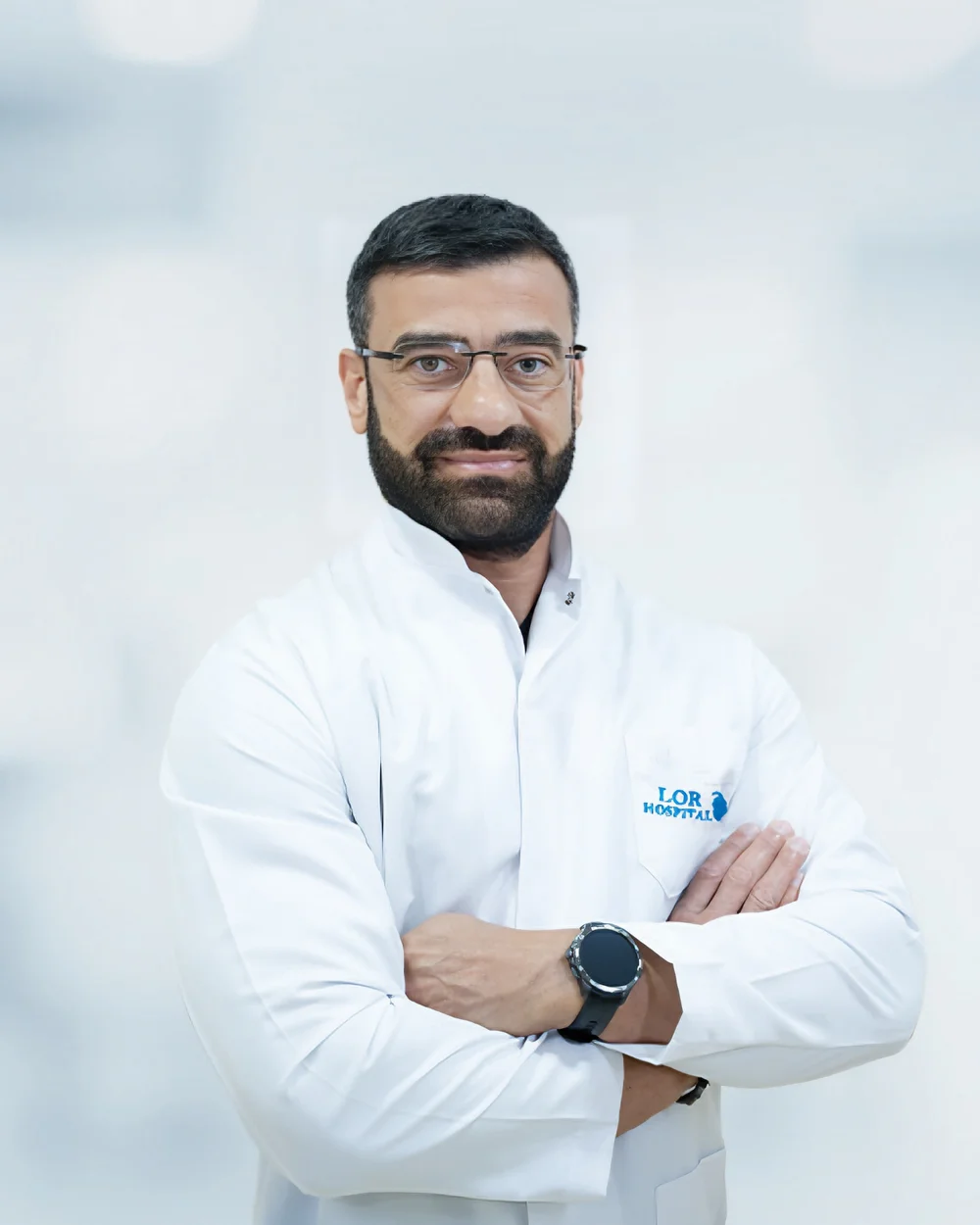
Dr. Fuad Guliyev
Anesthesiologist and Reanimatologist, Head of Department

Dr. Ceyhun Huseynov
Anesthesiologist and Reanimatologist
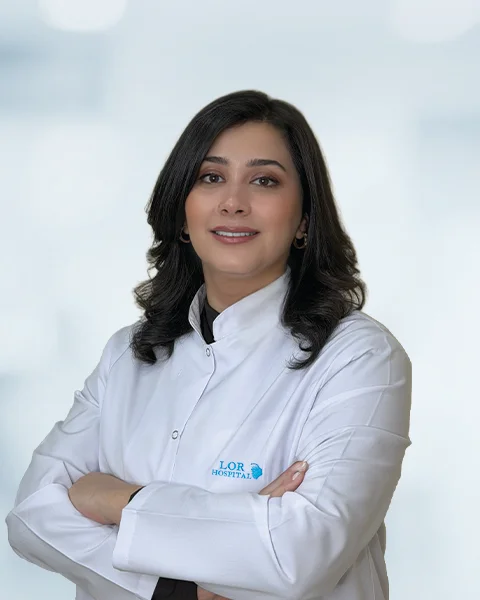
Spec.Dr. Aysel Hasanova
Ear, Nose & Throat (ENT) and Head & Neck Surgeon
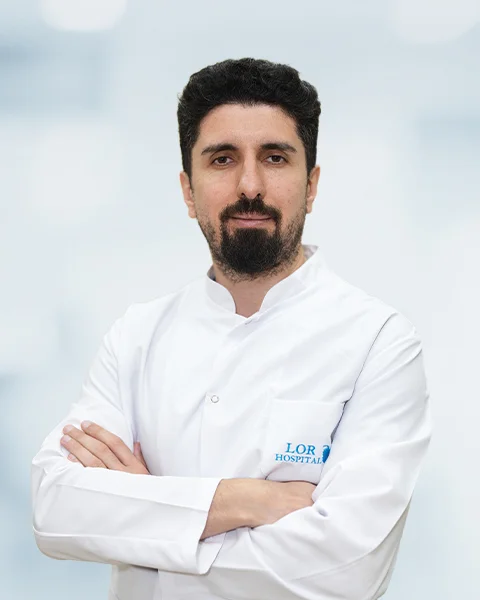
Dr. Asif Ahmadov
Otorhinolaryngologist and Head & Neck Surgery Specialist