
Mastoidectomy
Mastoidectomy is a surgical procedure to remove infected or damaged air cells inside the mastoid bone located behind the ear.
This operation is performed in cases of chronic ear infections, cholesteatoma, or mastoiditis.
When is Mastoidectomy needed?
- Chronic middle ear infection (unresponsive to treatment)
- Cholesteatoma (abnormal skin growth in the middle ear causing bone damage)
- Acute or chronic mastoiditis (infection of the mastoid bone)
- To create additional surgical access to the middle ear (e.g., before cochlear implant)
How is Mastoidectomy performed?
- Performed under general anesthesia
- Incision made behind the ear
- Inflamed tissue, infection, or cholesteatoma removed under a microscope
- Hearing structures are preserved if possible
- If necessary, middle ear bones or eardrum may also be treated
Benefits of the surgery
- Elimination of chronic infection
- Complete removal of cholesteatoma
- Prevention of infection spreading to brain and nerves
- Possible restoration or preservation of hearing
- Reduction of long-term ear discharge and pain
Recovery
- Patient usually discharged the next day
- Head dressing kept for 1–2 days, then removed
- Temporary hearing loss or fullness in the ear may occur
- Stitches removed in 7–10 days
- Full recovery: approximately 3–6 weeks
Frequently Asked Questions
1. Is Mastoidectomy painful?
- Surgery is painless (general anesthesia). Mild pain may occur afterward and is managed with painkillers.
2. Will my hearing improve after surgery?
- If hearing structures are preserved, improvement is possible. The main goal is to prevent infection spread.
3. Will my ear continue to discharge?
- Usually the discharge stops, but ear hygiene and follow-up may be needed for some patients.
4. Is this operation performed in children?
- Yes, especially in children with cholesteatoma or chronic otitis media.
This operation is performed in cases of chronic ear infections, cholesteatoma, or mastoiditis.
When is Mastoidectomy needed?
- Chronic middle ear infection (unresponsive to treatment)
- Cholesteatoma (abnormal skin growth in the middle ear causing bone damage)
- Acute or chronic mastoiditis (infection of the mastoid bone)
- To create additional surgical access to the middle ear (e.g., before cochlear implant)
How is Mastoidectomy performed?
- Performed under general anesthesia
- Incision made behind the ear
- Inflamed tissue, infection, or cholesteatoma removed under a microscope
- Hearing structures are preserved if possible
- If necessary, middle ear bones or eardrum may also be treated
Benefits of the surgery
- Elimination of chronic infection
- Complete removal of cholesteatoma
- Prevention of infection spreading to brain and nerves
- Possible restoration or preservation of hearing
- Reduction of long-term ear discharge and pain
Recovery
- Patient usually discharged the next day
- Head dressing kept for 1–2 days, then removed
- Temporary hearing loss or fullness in the ear may occur
- Stitches removed in 7–10 days
- Full recovery: approximately 3–6 weeks
Frequently Asked Questions
1. Is Mastoidectomy painful?
- Surgery is painless (general anesthesia). Mild pain may occur afterward and is managed with painkillers.
2. Will my hearing improve after surgery?
- If hearing structures are preserved, improvement is possible. The main goal is to prevent infection spread.
3. Will my ear continue to discharge?
- Usually the discharge stops, but ear hygiene and follow-up may be needed for some patients.
4. Is this operation performed in children?
- Yes, especially in children with cholesteatoma or chronic otitis media.
Doctors
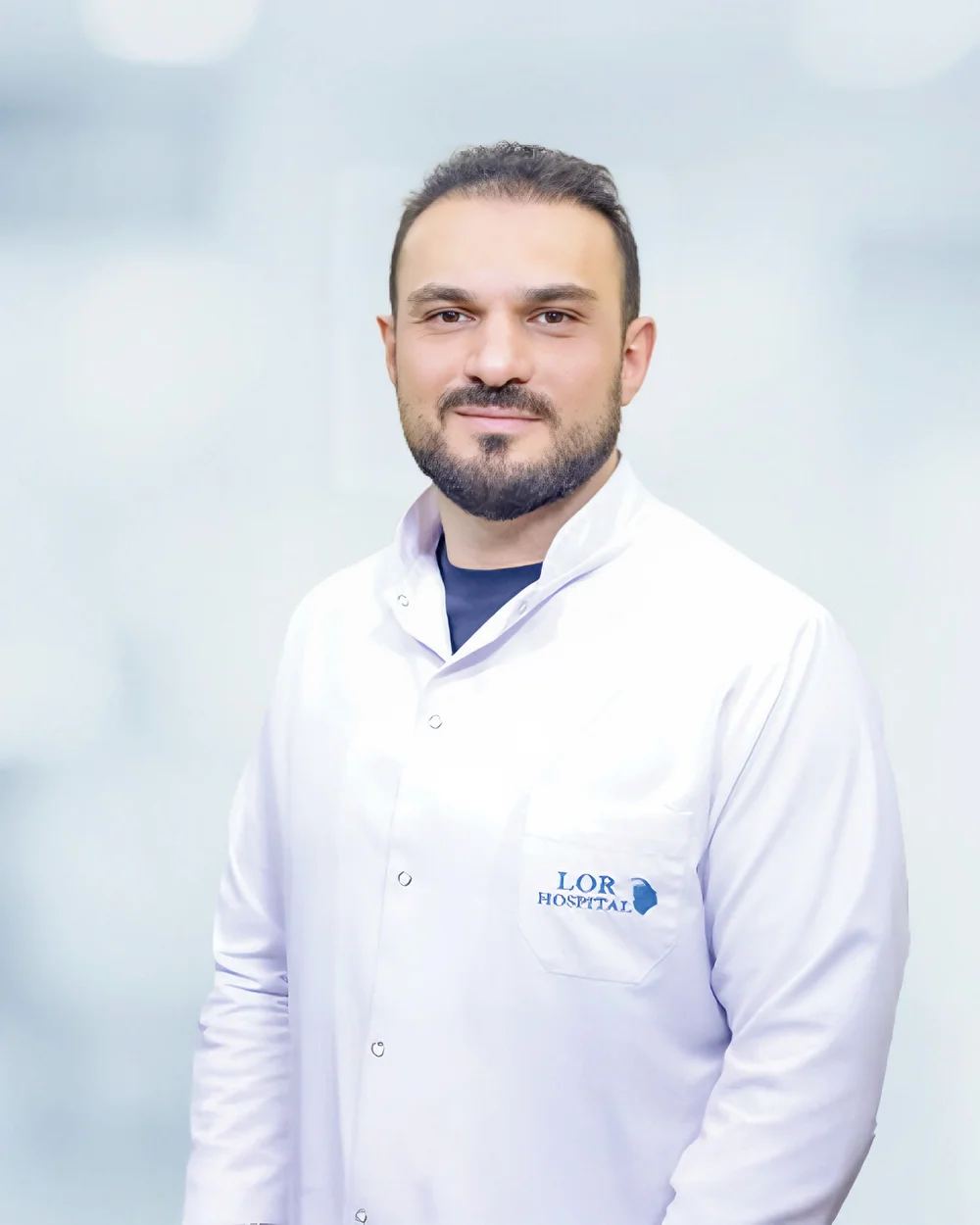
Dr. Khayyam Masiyev
Specialist in otolaryngology and head and Neck Surgery, Chief Physician
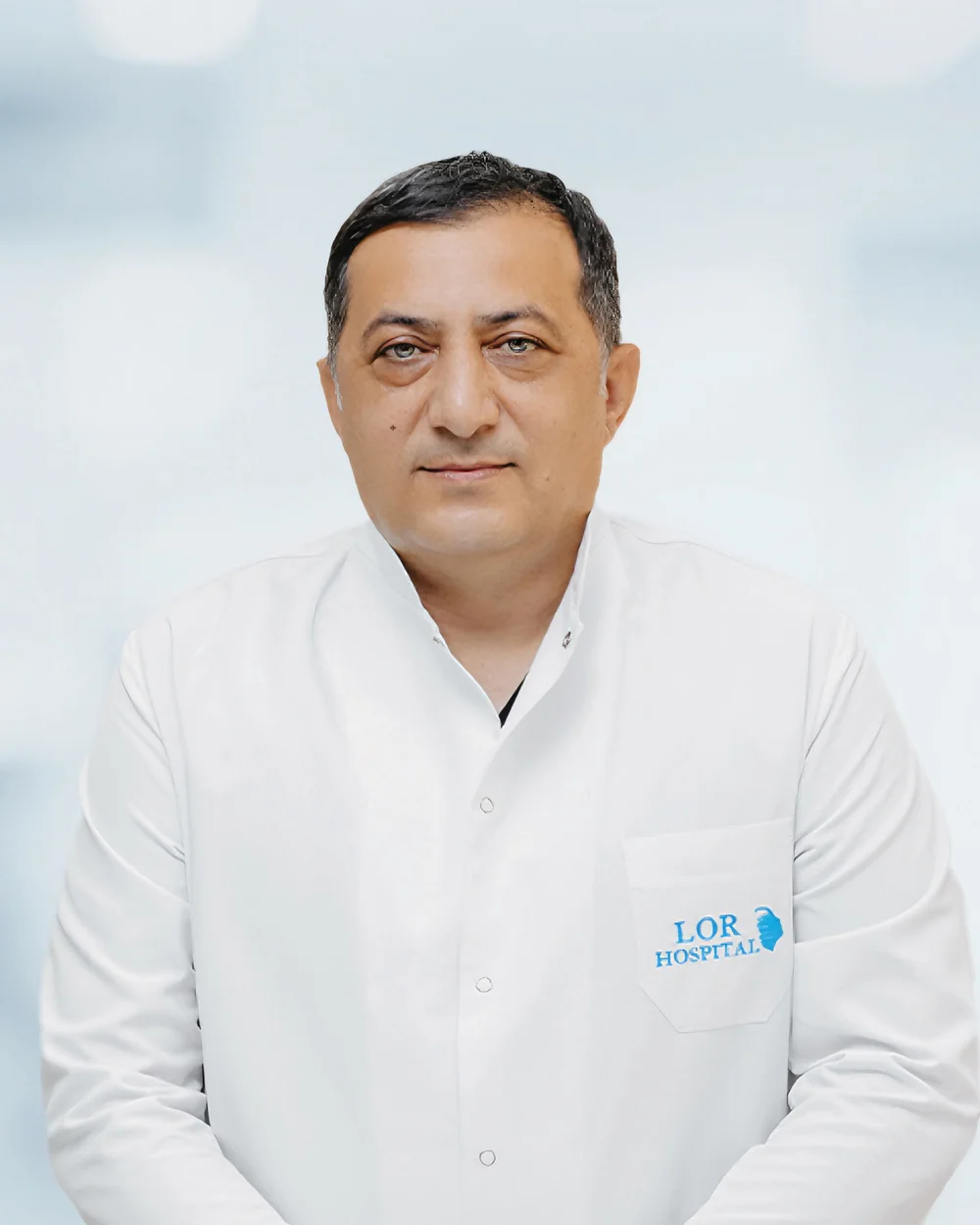
Dr. Tajaddin Muradov
Specialist in otolaryngology and head and Neck Surgery
Dr. Jamshid Mammadov
Otolaryngologist

Docent. Dr. Ramil Hashimli
Otolaryngologist, Phoniatrist

Dr. Dilshad Shadlinskaya
Otolaryngologist, Phoniatrist
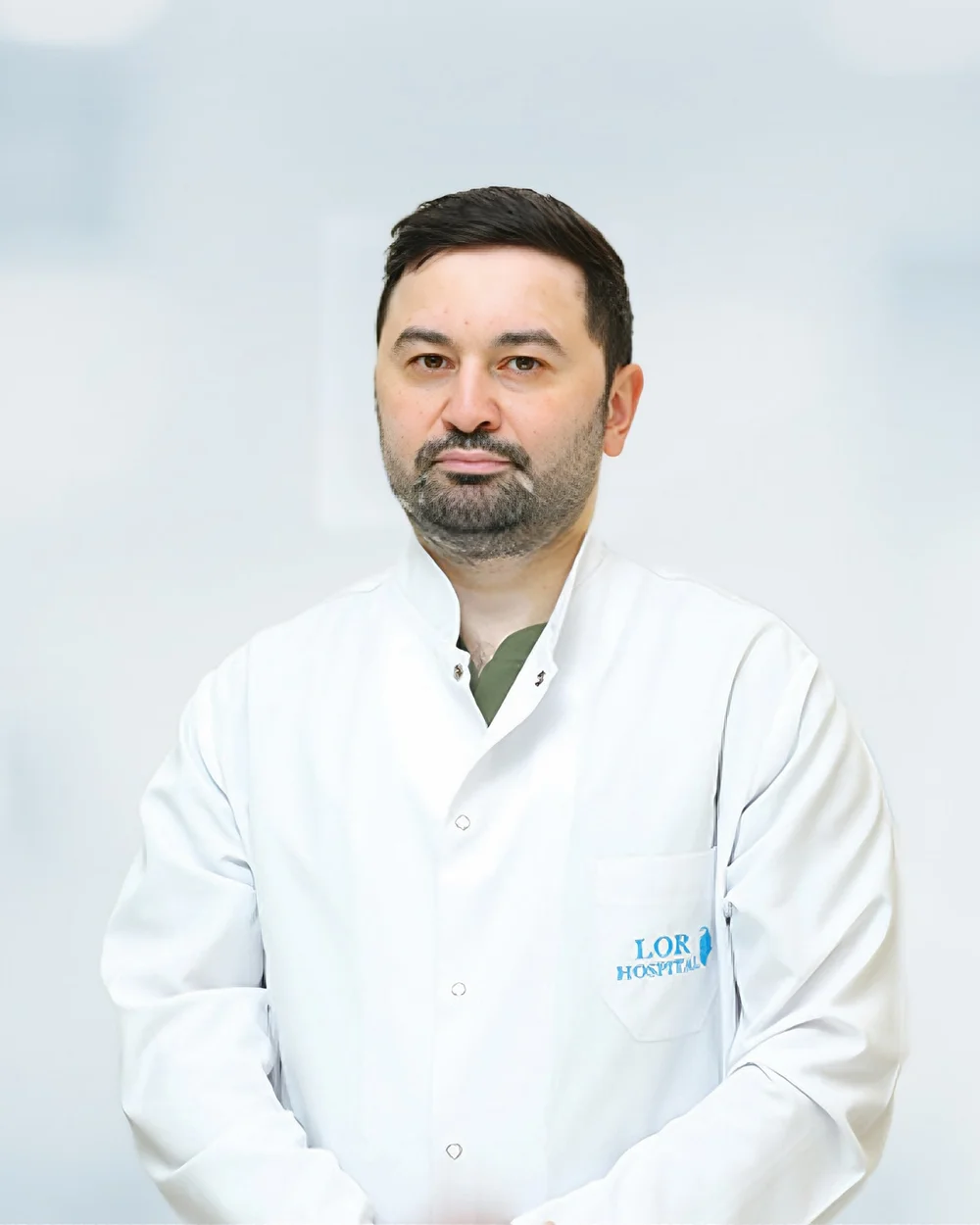
Dr. Kamil Suleymanov
Otolaryngologist, Phoniatrist

Dr. Ilkin Mikayilzade
Otolaryngologist

Dr. Sevinc Shikhaliyeva
Ear, Nose and Throat (ENT) Surgeon

Dr. Nuray Shukurova
Otolaryngologist

Dr. Natavan Yagubova
Otolaryngologist
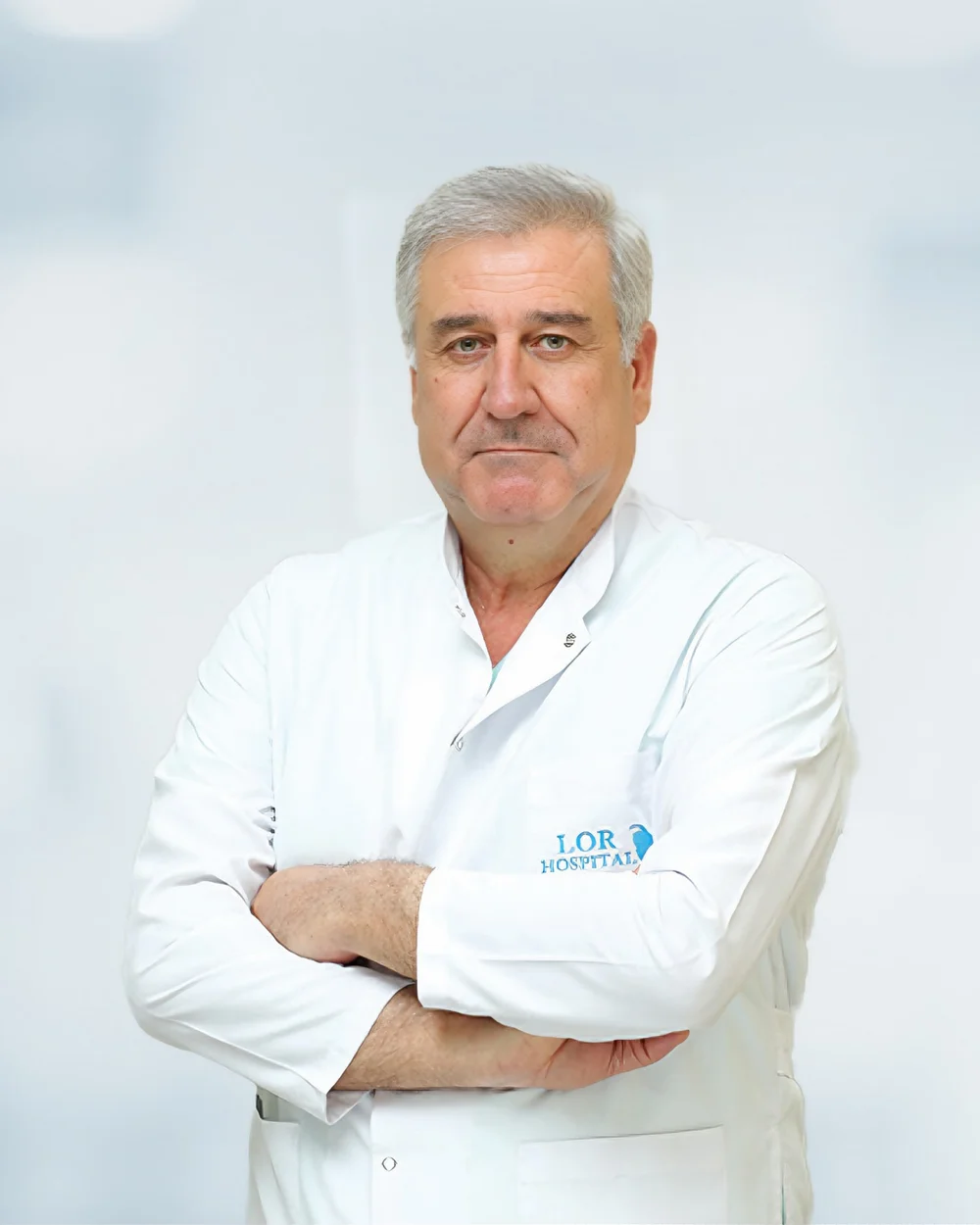
Dr. Yavarifar Mehrdad
Otolaryngologist
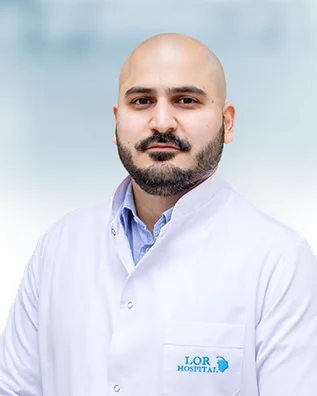
Dr. Agil Agayev
Otolaryngologist, otolaryngologist

Dr. Elvira Yagubova
Otolaryngologist

Dr. Taliya Mammadova
Otolaryngologist
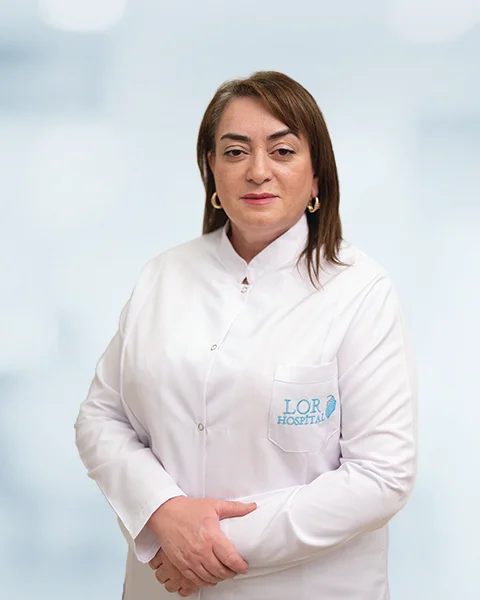
Dr. Kamila Allahverdiyeva
Otolaryngologist

Dr. Amalia Mammadova
Audiologist
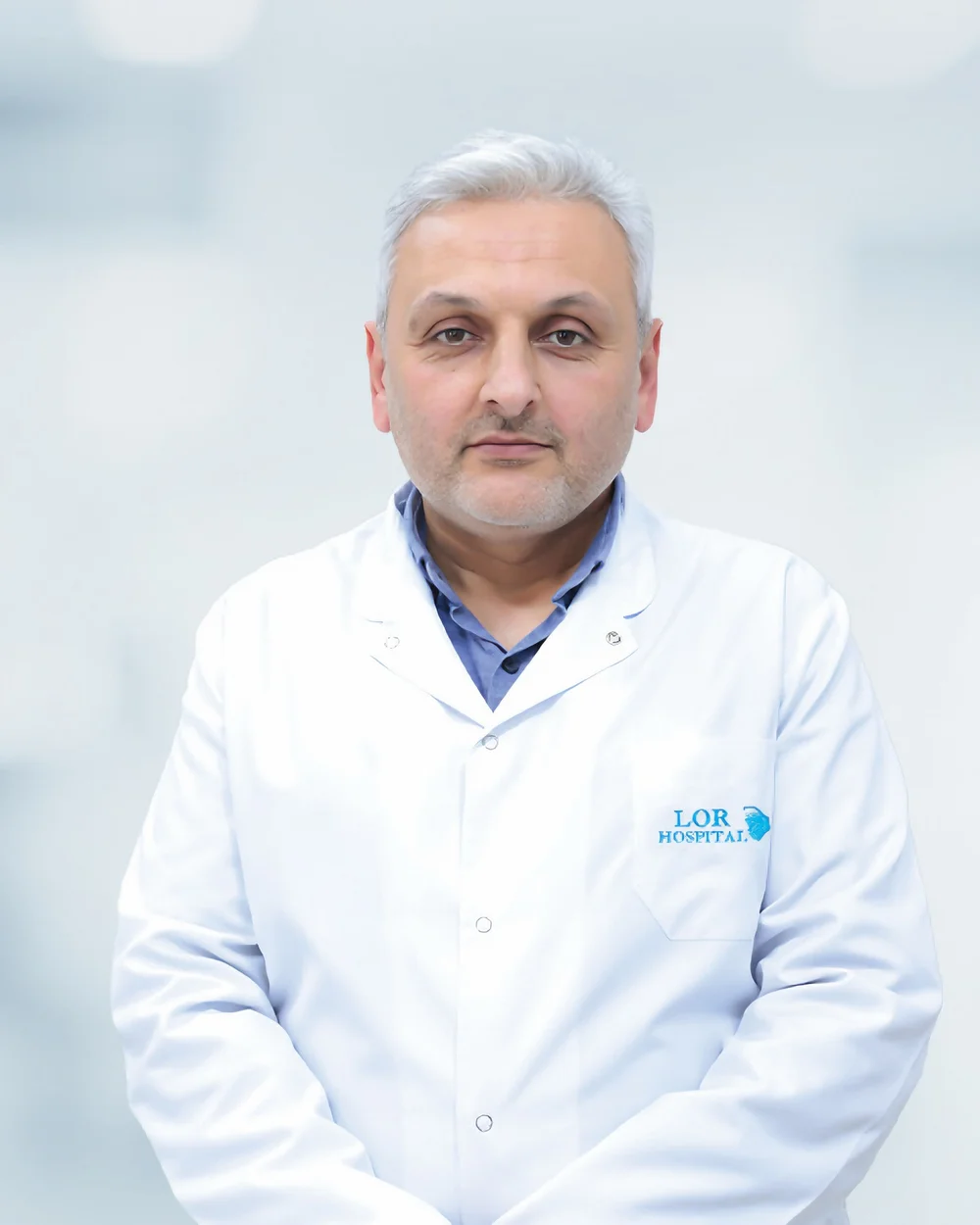
Dr. Joshgun Mammadli
Pulmonologist
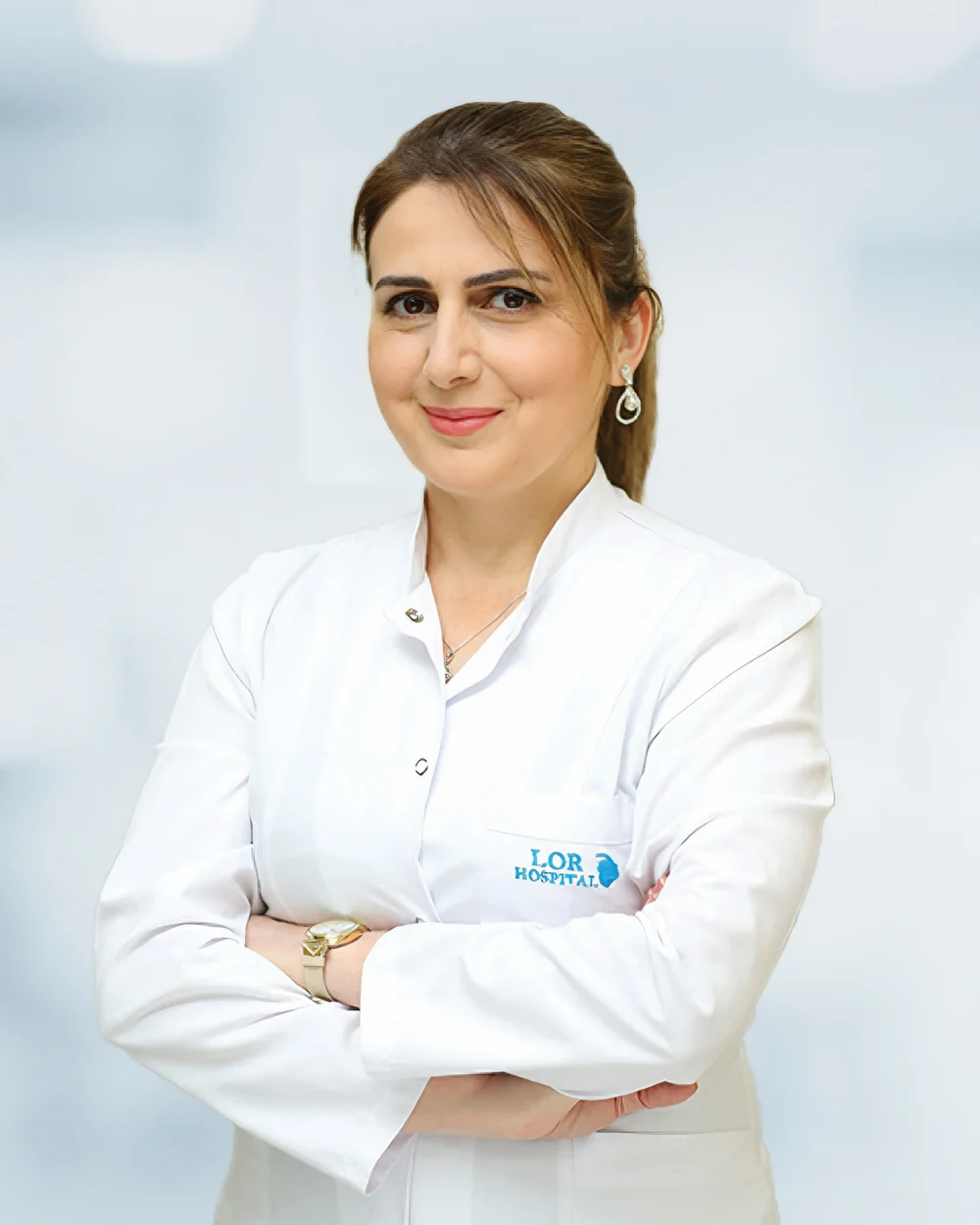
Dr. Sevda Hajiyeva
Cardiologist

Dr. Mahtaban Gadimali
Otolaryngologist

Dr. Ulvi Malikov
Otolaryngologist

Dr. Fuad Guliyev
Anesthesiologist and Reanimatologist, Head of Department

Dr. Ceyhun Huseynov
Anesthesiologist and Reanimatologist

Spec.Dr. Aysel Hasanova
Ear, Nose & Throat (ENT) and Head & Neck Surgeon
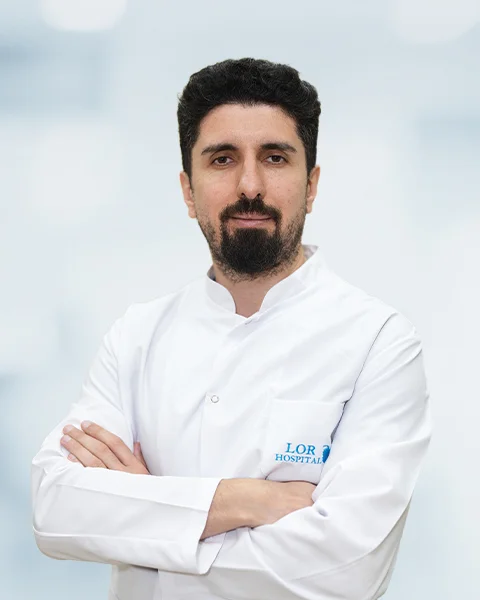
Dr. Asif Ahmadov
Otorhinolaryngologist and Head & Neck Surgery Specialist