
Direct Laryngoscopy
Direct laryngoscopy is a diagnostic or therapeutic medical procedure that allows direct visualization of the vocal cords, larynx, and surrounding anatomical structures.
This examination is performed under general anesthesia using a rigid (direct) laryngoscope, which provides access to the deeper parts of the larynx. Direct laryngoscopy can be used for both examination and certain surgical interventions.
When is it performed?
Direct laryngoscopy is recommended in the following cases:
- Persistent hoarseness or voice loss
- Suspected laryngeal tumor or cancer
- Vocal cord nodules, polyps, or papillomas
- Suspected foreign body in the throat
- Breathing difficulties or laryngeal narrowing
- For biopsy (tissue sampling)
- For therapeutic purposes (removal of polyps, papillomas, or treatment of vocal cords)
How is the procedure performed?
- The patient is placed under general anesthesia and feels no discomfort.
- A rigid laryngoscope is gently inserted through the mouth into the larynx.
- The doctor directly observes the vocal cords and internal structures of the larynx.
- If necessary, a biopsy is taken, or a lesion such as a polyp, cyst, or papilloma is removed.
- The procedure usually lasts about 20–40 minutes.
After the procedure
- Mild sore throat, hoarseness, or difficulty swallowing may occur temporarily — this is normal and usually resolves within a few days.
- The patient can be discharged the same day or the following day.
- If a biopsy was performed, results are typically available within 5–7 days.
- It is recommended to rest the voice and throat for several days.
Advantages
- Direct and accurate visualization of the vocal cords.
- Ability to take a biopsy from suspicious areas.
- Diagnostic and therapeutic interventions in one session.
- Helps preserve voice quality and enables early diagnosis.
This examination is performed under general anesthesia using a rigid (direct) laryngoscope, which provides access to the deeper parts of the larynx. Direct laryngoscopy can be used for both examination and certain surgical interventions.
When is it performed?
Direct laryngoscopy is recommended in the following cases:
- Persistent hoarseness or voice loss
- Suspected laryngeal tumor or cancer
- Vocal cord nodules, polyps, or papillomas
- Suspected foreign body in the throat
- Breathing difficulties or laryngeal narrowing
- For biopsy (tissue sampling)
- For therapeutic purposes (removal of polyps, papillomas, or treatment of vocal cords)
How is the procedure performed?
- The patient is placed under general anesthesia and feels no discomfort.
- A rigid laryngoscope is gently inserted through the mouth into the larynx.
- The doctor directly observes the vocal cords and internal structures of the larynx.
- If necessary, a biopsy is taken, or a lesion such as a polyp, cyst, or papilloma is removed.
- The procedure usually lasts about 20–40 minutes.
After the procedure
- Mild sore throat, hoarseness, or difficulty swallowing may occur temporarily — this is normal and usually resolves within a few days.
- The patient can be discharged the same day or the following day.
- If a biopsy was performed, results are typically available within 5–7 days.
- It is recommended to rest the voice and throat for several days.
Advantages
- Direct and accurate visualization of the vocal cords.
- Ability to take a biopsy from suspicious areas.
- Diagnostic and therapeutic interventions in one session.
- Helps preserve voice quality and enables early diagnosis.
Doctors
Dr. Khayyam Masiyev
Specialist in otolaryngology and head and Neck Surgery, Chief Physician
Dr. Tajaddin Muradov
Specialist in otolaryngology and head and Neck Surgery
Dr. Jamshid Mammadov
Otolaryngologist

Docent. Dr. Ramil Hashimli
Otolaryngologist, Phoniatrist

Dr. Dilshad Shadlinskaya
Otolaryngologist, Phoniatrist
Dr. Kamil Suleymanov
Otolaryngologist, Phoniatrist
Dr. Ilkin Mikayilzade
Otolaryngologist

Dr. Sevinc Shikhaliyeva
Ear, Nose and Throat (ENT) Surgeon

Dr. Nuray Shukurova
Otolaryngologist
Dr. Natavan Yagubova
Otolaryngologist
Dr. Yavarifar Mehrdad
Otolaryngologist
Dr. Agil Agayev
Otolaryngologist, otolaryngologist

Dr. Elvira Yagubova
Otolaryngologist

Dr. Taliya Mammadova
Otolaryngologist
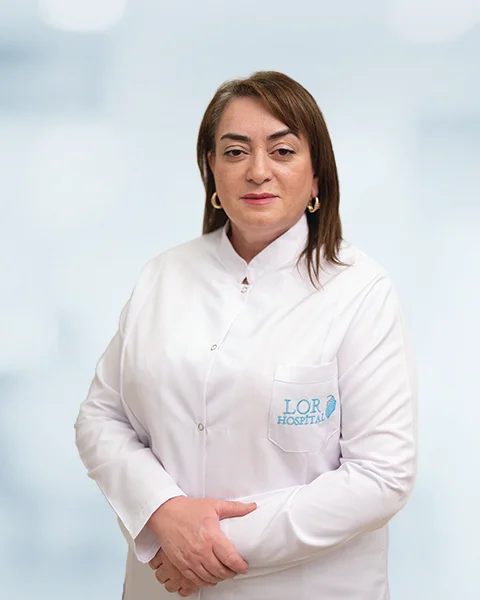
Dr. Kamila Allahverdiyeva
Otolaryngologist

Dr. Amalia Mammadova
Audiologist
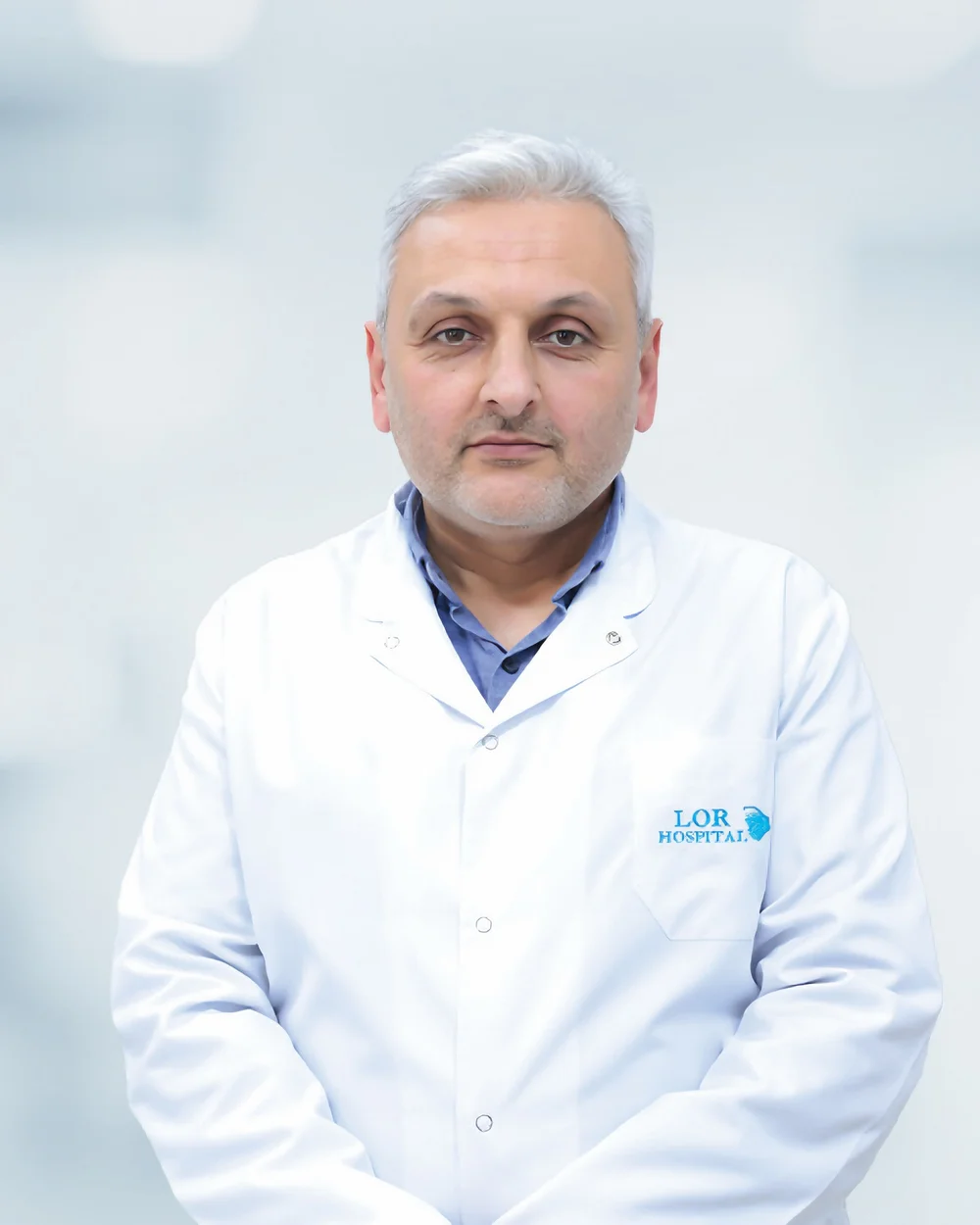
Dr. Joshgun Mammadli
Pulmonologist
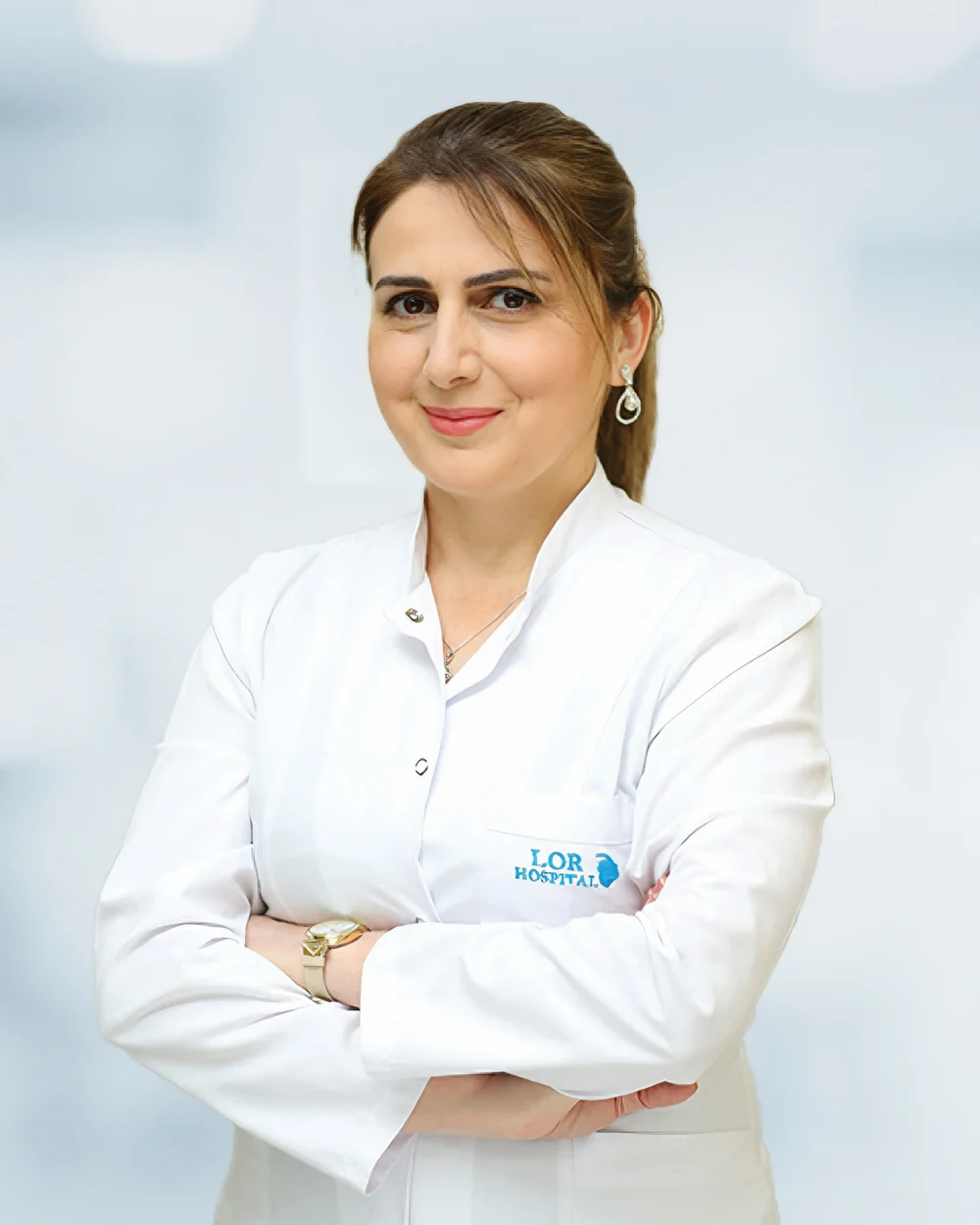
Dr. Sevda Hajiyeva
Cardiologist

Dr. Mahtaban Gadimali
Otolaryngologist

Dr. Ulvi Malikov
Otolaryngologist
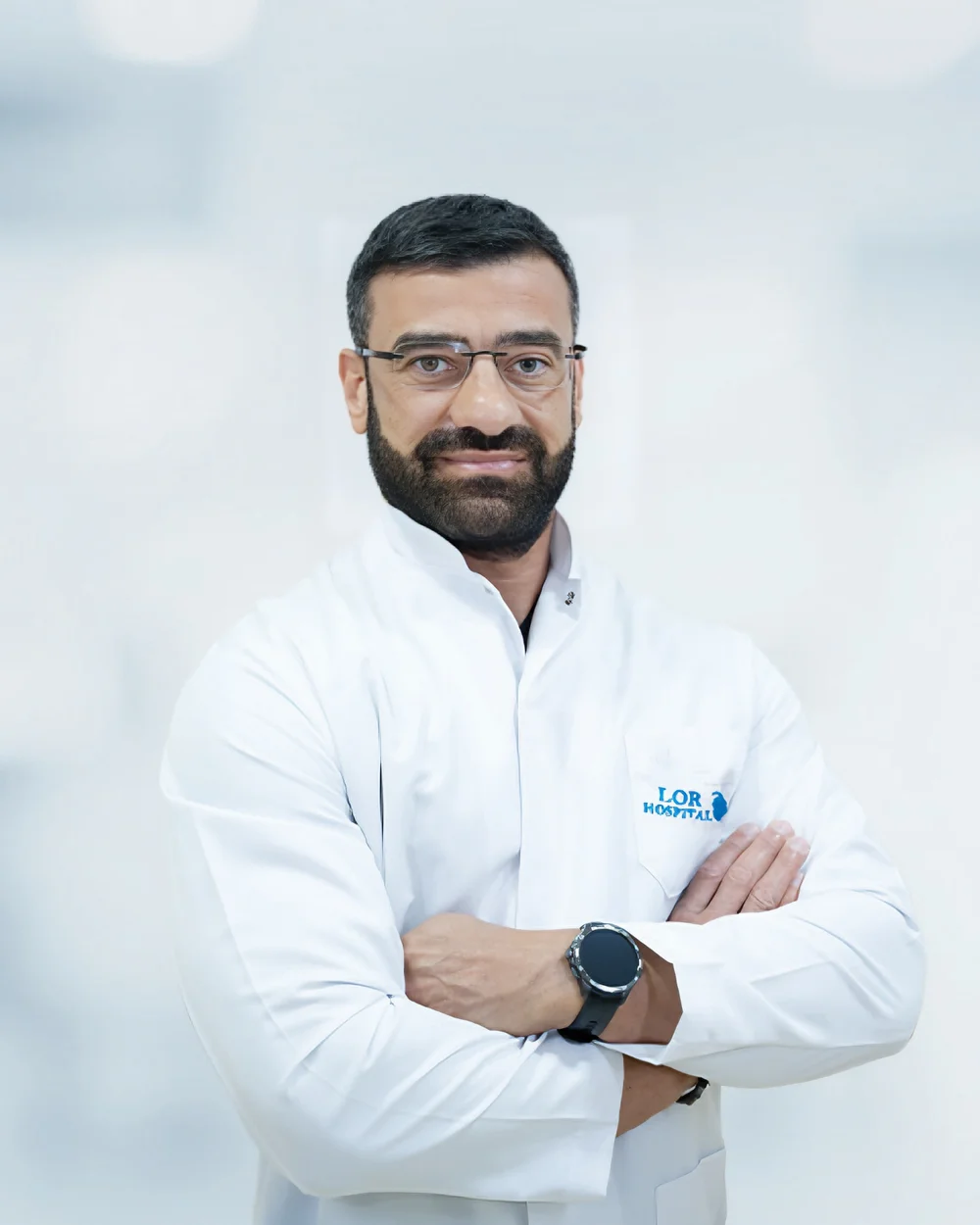
Dr. Fuad Guliyev
Anesthesiologist and Reanimatologist, Head of Department

Dr. Ceyhun Huseynov
Anesthesiologist and Reanimatologist

Spec.Dr. Aysel Hasanova
Ear, Nose & Throat (ENT) and Head & Neck Surgeon
Dr. Asif Ahmadov
Otorhinolaryngologist and Head & Neck Surgery Specialist