
Tympanoplasty
Tympanoplasty is a surgical procedure to repair a perforated eardrum (tympanic membrane). This operation:
- Reconstructs and closes the eardrum
- Repairs damaged middle ear hearing bones if necessary
- Restores hearing and prevents infections
How is the surgery performed?
- Done under general or local anesthesia
- Incision is made either behind the ear or through the ear canal
- Patient’s own tissue (usually fascia from muscle) is used
- Duration: 60–90 minutes
- Usually, the patient can go home the same or next day
Benefits of tympanoplasty
- Stops ear discharge
- Improves hearing ability
- Prevents recurrent infections
- Makes the ear more resistant to water, noise, and infections
- Provides aesthetic and functional advantages
Recovery
- Avoid water contact with the ear for 2–4 weeks
- Avoid situations that increase ear pressure (flying, forceful yawning)
- Full healing and stabilization of hearing occurs in 2–3 months
Frequently Asked Questions
1. Can the eardrum close on its own?
- Some small and recent perforations may heal naturally. Long-standing or recurrent perforations require surgery.
2. Is tympanoplasty painful?
- No pain during surgery. Mild discomfort may occur afterward and can be managed with medication.
3. Can I get the ear wet after surgery?
- Only after full recovery (about 1 month) with the doctor’s permission. Initially, the ear should be protected during showers.
4. Will hearing be fully restored?
- In most cases, hearing improves beyond the pre-surgery level. Results depend on the size of the perforation, middle ear condition, and other factors.
- Reconstructs and closes the eardrum
- Repairs damaged middle ear hearing bones if necessary
- Restores hearing and prevents infections
How is the surgery performed?
- Done under general or local anesthesia
- Incision is made either behind the ear or through the ear canal
- Patient’s own tissue (usually fascia from muscle) is used
- Duration: 60–90 minutes
- Usually, the patient can go home the same or next day
Benefits of tympanoplasty
- Stops ear discharge
- Improves hearing ability
- Prevents recurrent infections
- Makes the ear more resistant to water, noise, and infections
- Provides aesthetic and functional advantages
Recovery
- Avoid water contact with the ear for 2–4 weeks
- Avoid situations that increase ear pressure (flying, forceful yawning)
- Full healing and stabilization of hearing occurs in 2–3 months
Frequently Asked Questions
1. Can the eardrum close on its own?
- Some small and recent perforations may heal naturally. Long-standing or recurrent perforations require surgery.
2. Is tympanoplasty painful?
- No pain during surgery. Mild discomfort may occur afterward and can be managed with medication.
3. Can I get the ear wet after surgery?
- Only after full recovery (about 1 month) with the doctor’s permission. Initially, the ear should be protected during showers.
4. Will hearing be fully restored?
- In most cases, hearing improves beyond the pre-surgery level. Results depend on the size of the perforation, middle ear condition, and other factors.
Doctors
Dr. Khayyam Masiyev
Specialist in otolaryngology and head and Neck Surgery, Chief Physician
Dr. Tajaddin Muradov
Specialist in otolaryngology and head and Neck Surgery
Dr. Jamshid Mammadov
Otolaryngologist

Docent. Dr. Ramil Hashimli
Otolaryngologist, Phoniatrist

Dr. Dilshad Shadlinskaya
Otolaryngologist, Phoniatrist
Dr. Kamil Suleymanov
Otolaryngologist, Phoniatrist

Dr. Ilkin Mikayilzade
Otolaryngologist

Dr. Sevinc Shikhaliyeva
Ear, Nose and Throat (ENT) Surgeon

Dr. Nuray Shukurova
Otolaryngologist
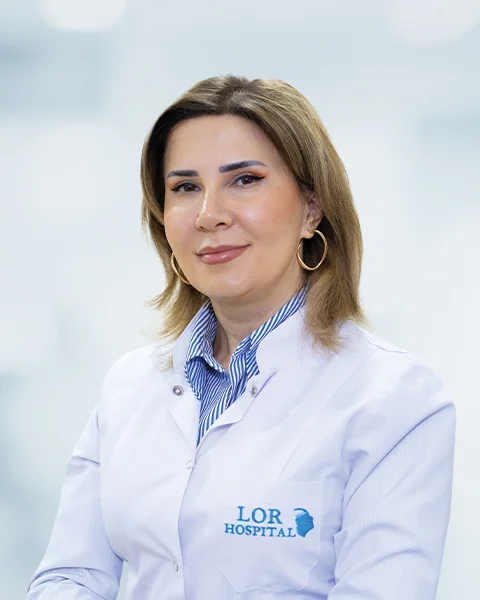
Dr. Natavan Yagubova
Otolaryngologist
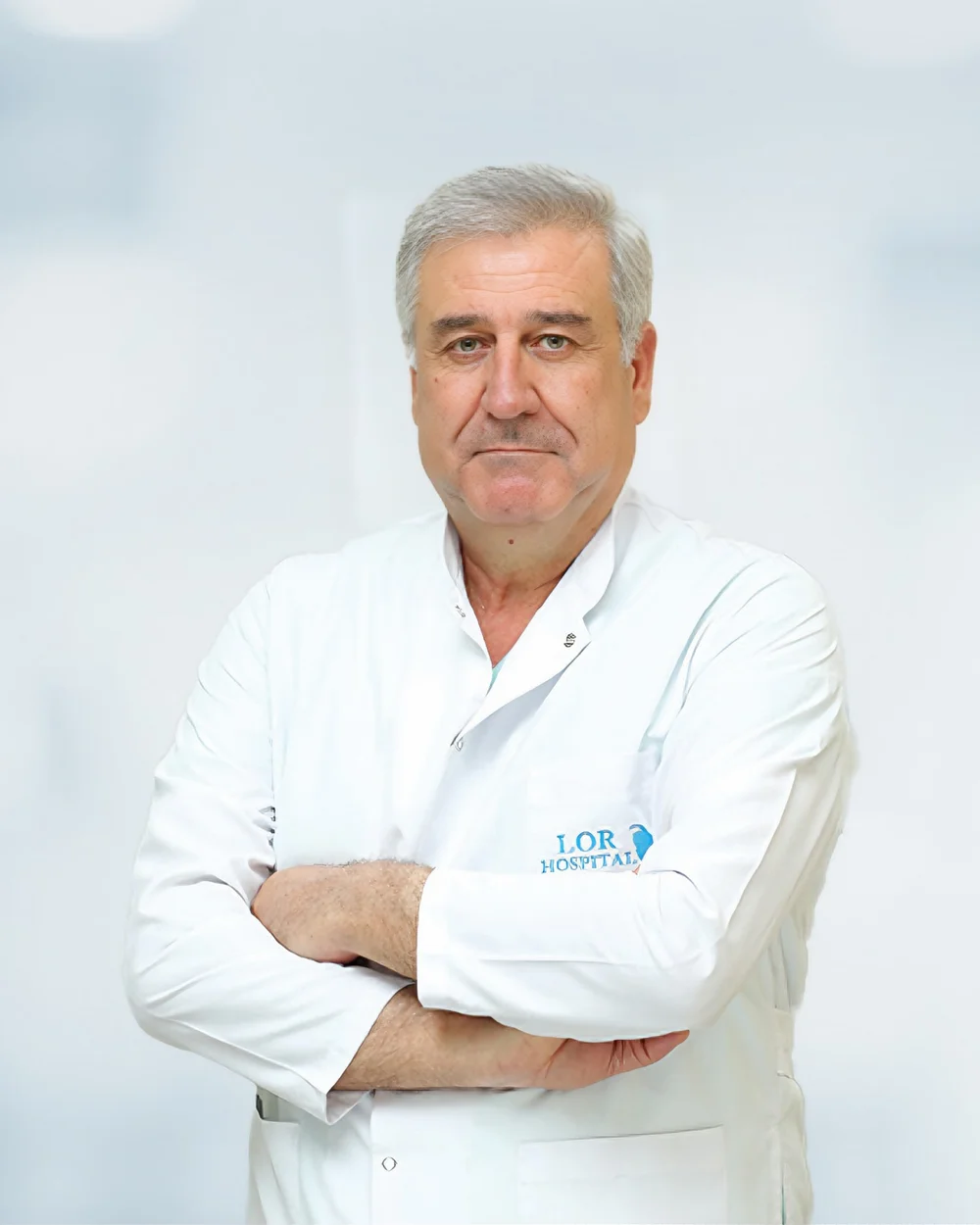
Dr. Yavarifar Mehrdad
Otolaryngologist
Dr. Agil Agayev
Otolaryngologist, otolaryngologist

Dr. Elvira Yagubova
Otolaryngologist

Dr. Taliya Mammadova
Otolaryngologist
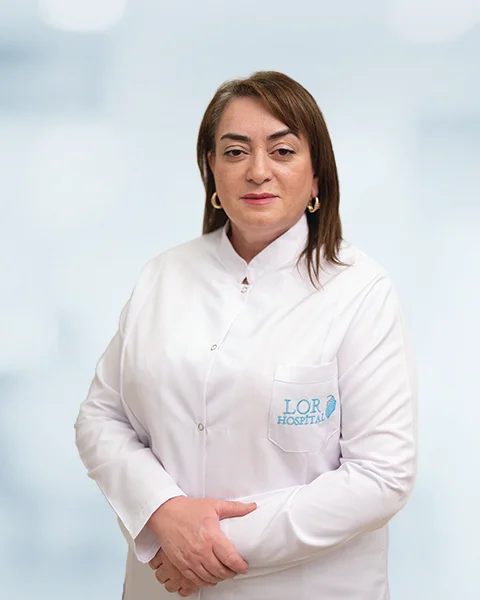
Dr. Kamila Allahverdiyeva
Otolaryngologist

Dr. Amalia Mammadova
Audiologist
Dr. Joshgun Mammadli
Pulmonologist
Dr. Sevda Hajiyeva
Cardiologist

Dr. Mahtaban Gadimali
Otolaryngologist

Dr. Ulvi Malikov
Otolaryngologist
Dr. Fuad Guliyev
Anesthesiologist and Reanimatologist, Head of Department

Dr. Ceyhun Huseynov
Anesthesiologist and Reanimatologist

Spec.Dr. Aysel Hasanova
Ear, Nose & Throat (ENT) and Head & Neck Surgeon
Dr. Asif Ahmadov
Otorhinolaryngologist and Head & Neck Surgery Specialist