
Functional Endoscopic Sinus Surgery (FESS)
FESS is a minimally invasive, endoscopic surgery for nasal congestion and chronic sinusitis.
The procedure is performed through the nostrils, without external incisions, opening and clearing the natural sinus pathways.
When is FESS needed?
- Chronic sinusitis (unresponsive to medication)
- Nasal polyps
- Sinus blockage associated with allergic rhinitis
- Pain around the eyes, forehead, headache, pressure sensation
- Sinus cysts or anatomical narrowing
- Endoscopic biopsy or tumor removal
How is FESS performed?
- Under general or local anesthesia
- Thin camera (endoscope) and micro-instruments inserted through nostrils into sinus cavities
- Inflammation, polyps, and blockage removed
- Sinus drainage pathways reopened and airflow restored
- No incisions or stitches
Advantages of FESS
- Incision-free, minimally invasive
- Short surgery and recovery time
- Preserves natural anatomy of nose and sinuses
- Minimal pain and discomfort
- Significantly improves quality of life
After surgery
- Duration: 30–90 minutes
- Patient discharged same day or next day
- Mild bloody discharge and nasal fullness may occur for 1 week
- Nose should be regularly rinsed and cleaned (as per doctor’s instructions)
- Full recovery: 2–3 weeks
- Usually painless, with quick return to normal life
FAQs
1. Is FESS painful?
- Usually no. Performed under general or local anesthesia. Mild discomfort may occur afterward.
2. Why doesn’t medication work?
- In chronic sinusitis, blocked sinus pathways prevent medicine from working. FESS removes the blockage.
3. Can sinusitis recur after FESS?
- If underlying cause (allergy, deviated septum, etc.) is not corrected, recurrence is possible. Regular follow-up reduces risk.
4. When can I return to work?
- Usually within 2–5 days.
The procedure is performed through the nostrils, without external incisions, opening and clearing the natural sinus pathways.
When is FESS needed?
- Chronic sinusitis (unresponsive to medication)
- Nasal polyps
- Sinus blockage associated with allergic rhinitis
- Pain around the eyes, forehead, headache, pressure sensation
- Sinus cysts or anatomical narrowing
- Endoscopic biopsy or tumor removal
How is FESS performed?
- Under general or local anesthesia
- Thin camera (endoscope) and micro-instruments inserted through nostrils into sinus cavities
- Inflammation, polyps, and blockage removed
- Sinus drainage pathways reopened and airflow restored
- No incisions or stitches
Advantages of FESS
- Incision-free, minimally invasive
- Short surgery and recovery time
- Preserves natural anatomy of nose and sinuses
- Minimal pain and discomfort
- Significantly improves quality of life
After surgery
- Duration: 30–90 minutes
- Patient discharged same day or next day
- Mild bloody discharge and nasal fullness may occur for 1 week
- Nose should be regularly rinsed and cleaned (as per doctor’s instructions)
- Full recovery: 2–3 weeks
- Usually painless, with quick return to normal life
FAQs
1. Is FESS painful?
- Usually no. Performed under general or local anesthesia. Mild discomfort may occur afterward.
2. Why doesn’t medication work?
- In chronic sinusitis, blocked sinus pathways prevent medicine from working. FESS removes the blockage.
3. Can sinusitis recur after FESS?
- If underlying cause (allergy, deviated septum, etc.) is not corrected, recurrence is possible. Regular follow-up reduces risk.
4. When can I return to work?
- Usually within 2–5 days.
Doctors
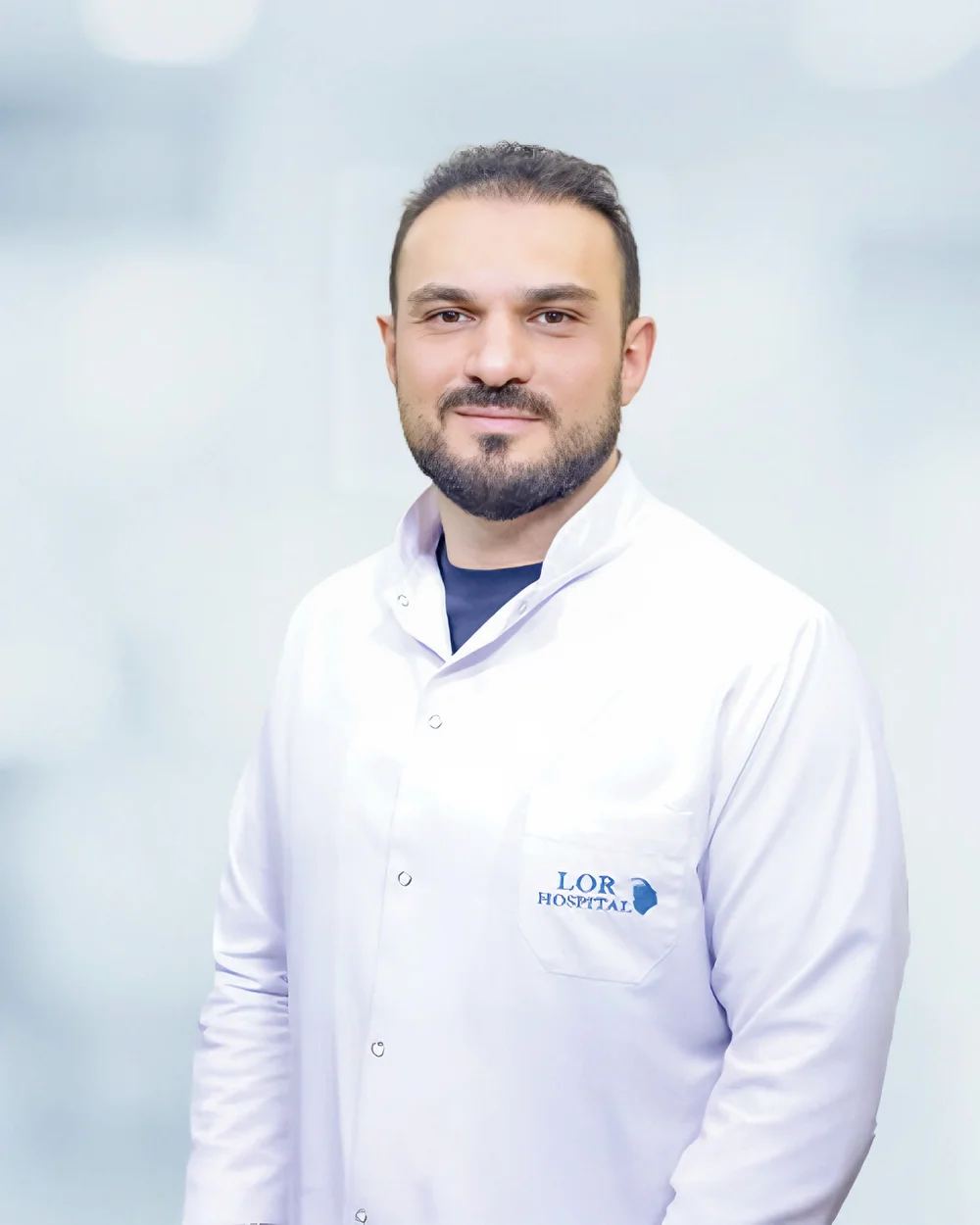
Dr. Khayyam Masiyev
Specialist in otolaryngology and head and Neck Surgery, Chief Physician
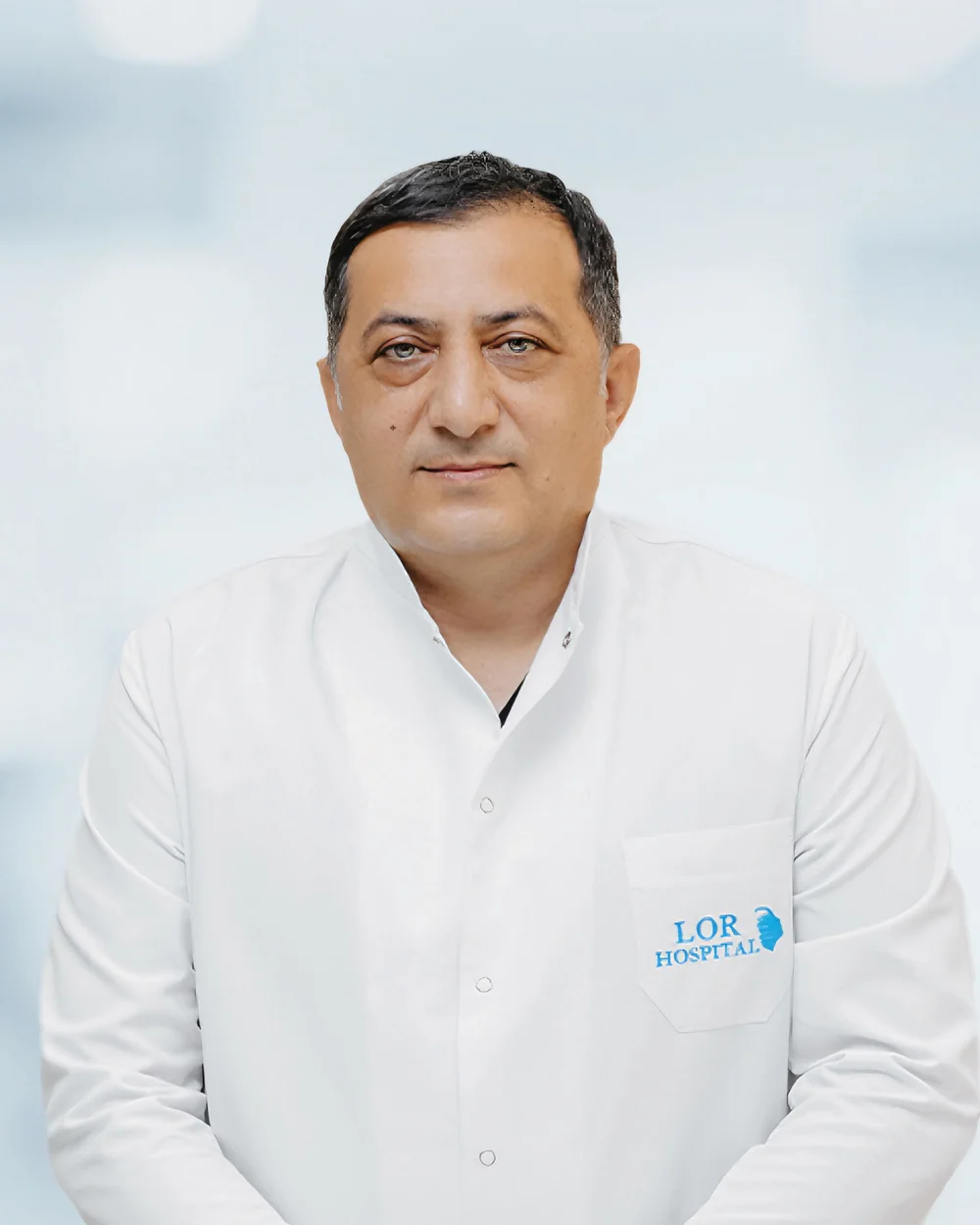
Dr. Tajaddin Muradov
Specialist in otolaryngology and head and Neck Surgery
Dr. Jamshid Mammadov
Otolaryngologist

Docent. Dr. Ramil Hashimli
Otolaryngologist, Phoniatrist

Dr. Dilshad Shadlinskaya
Otolaryngologist, Phoniatrist
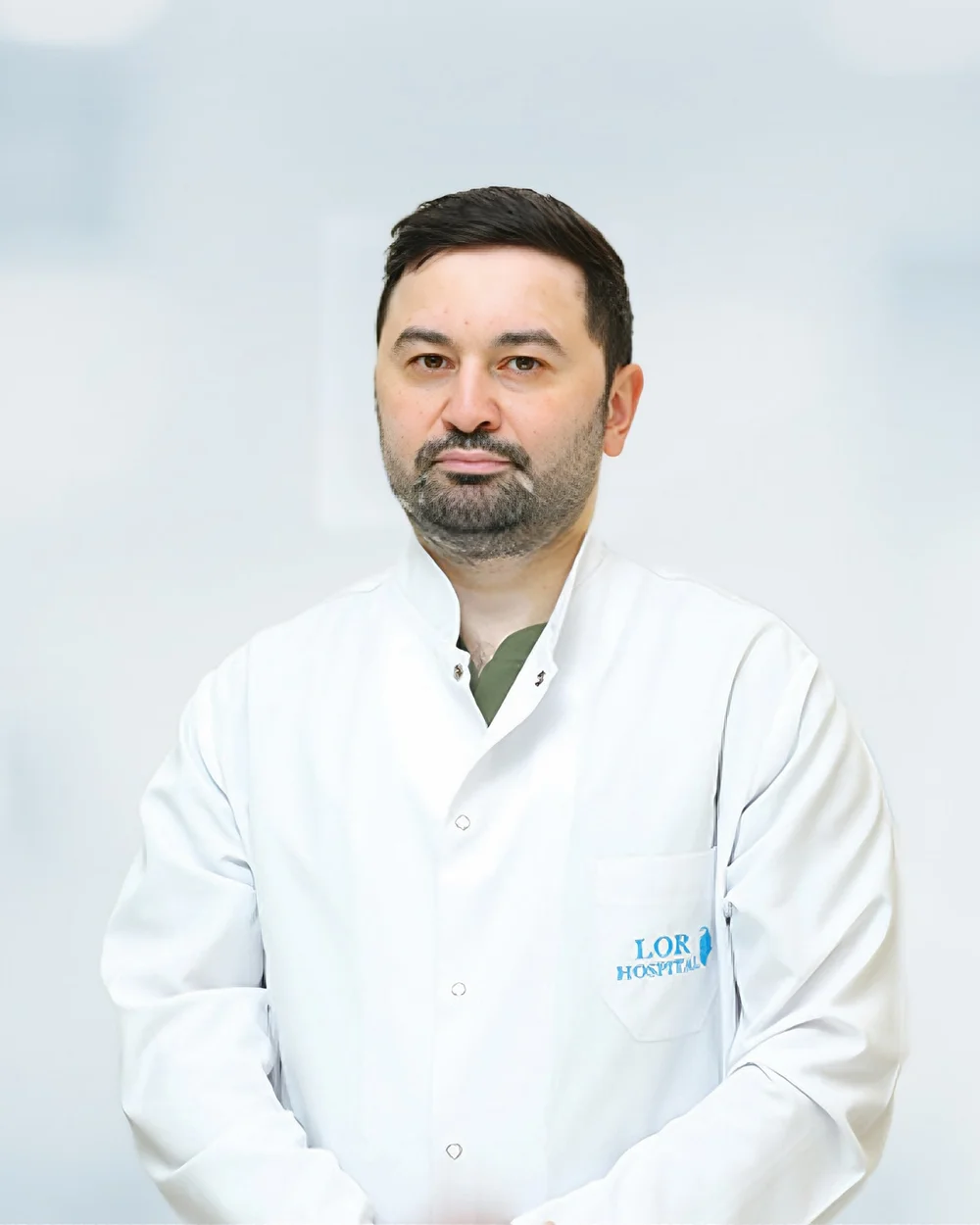
Dr. Kamil Suleymanov
Otolaryngologist, Phoniatrist

Dr. Ilkin Mikayilzade
Otolaryngologist

Dr. Sevinc Shikhaliyeva
Ear, Nose and Throat (ENT) Surgeon

Dr. Nuray Shukurova
Otolaryngologist
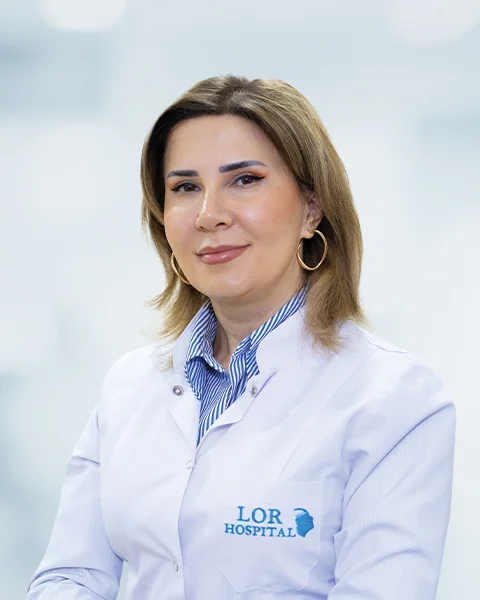
Dr. Natavan Yagubova
Otolaryngologist
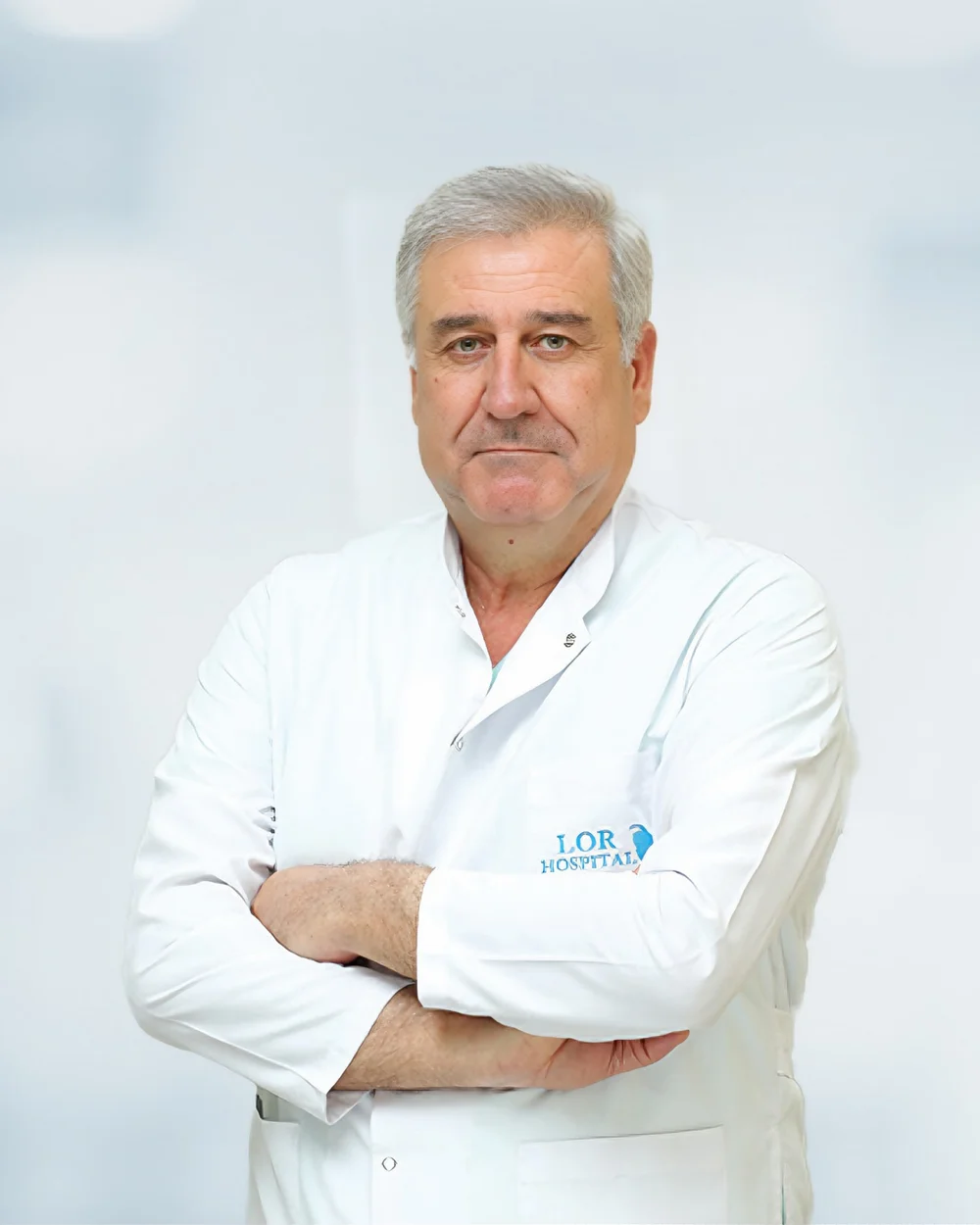
Dr. Yavarifar Mehrdad
Otolaryngologist
Dr. Agil Agayev
Otolaryngologist, otolaryngologist

Dr. Elvira Yagubova
Otolaryngologist

Dr. Taliya Mammadova
Otolaryngologist
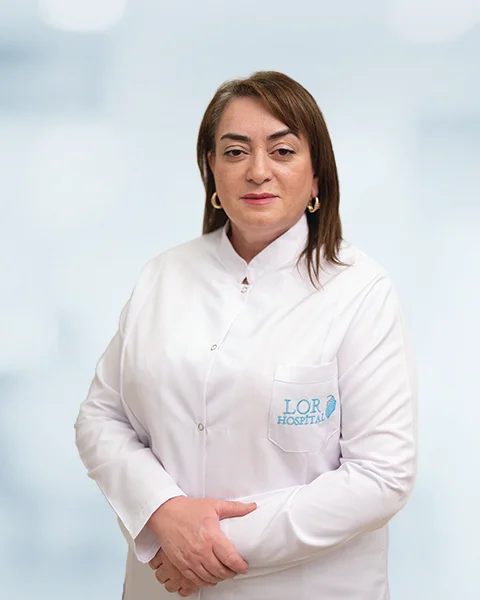
Dr. Kamila Allahverdiyeva
Otolaryngologist

Dr. Amalia Mammadova
Audiologist
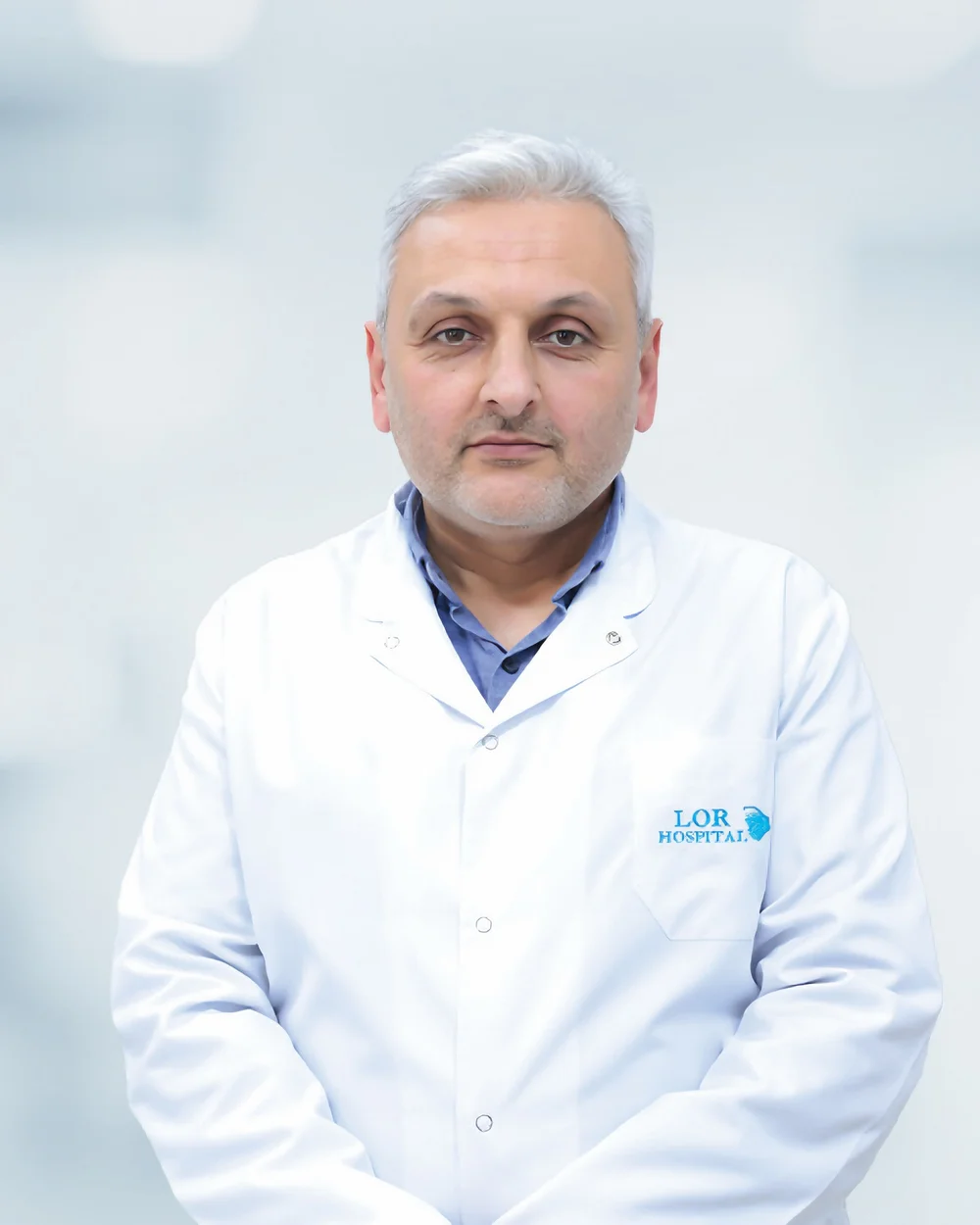
Dr. Joshgun Mammadli
Pulmonologist
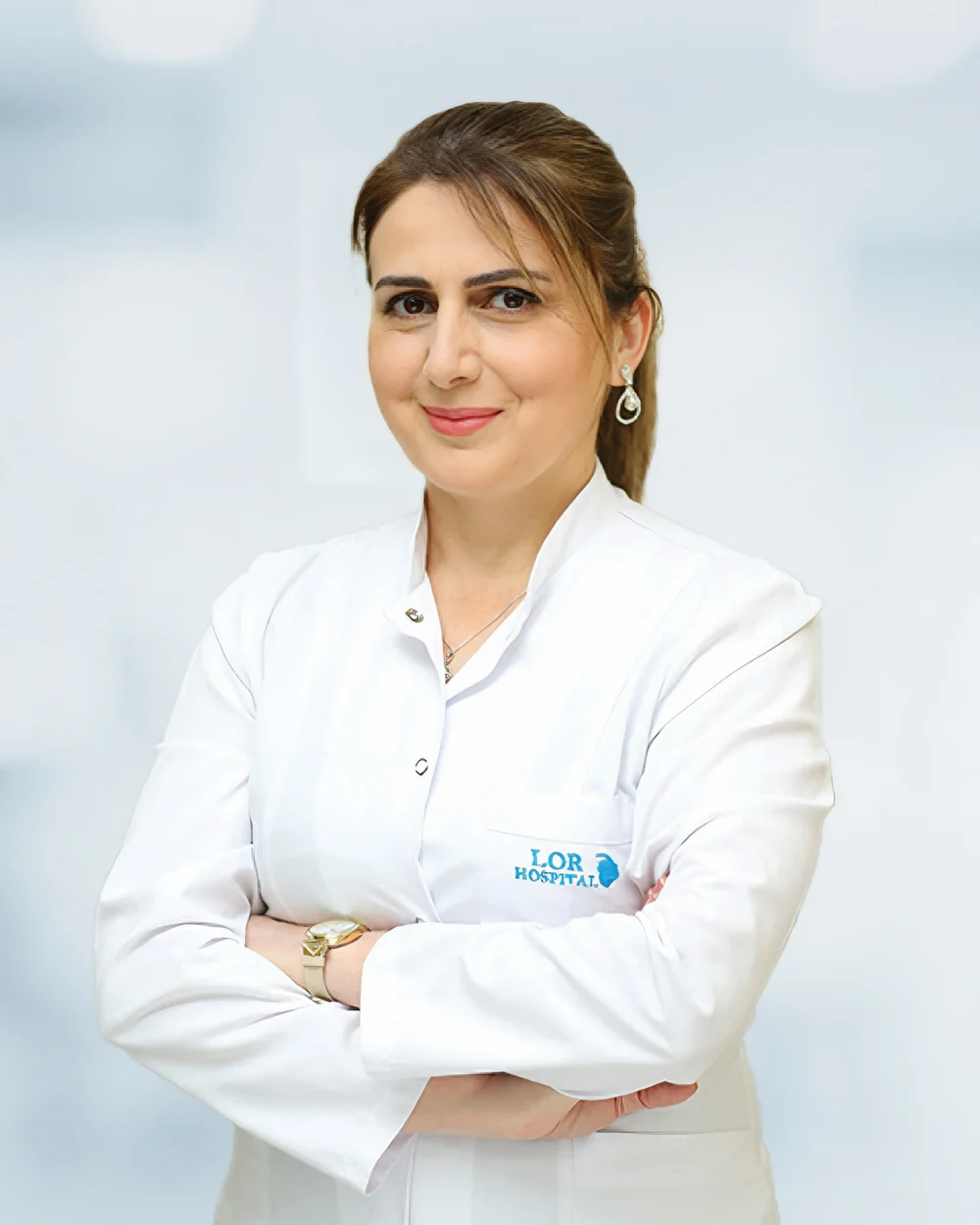
Dr. Sevda Hajiyeva
Cardiologist

Dr. Mahtaban Gadimali
Otolaryngologist

Dr. Ulvi Malikov
Otolaryngologist
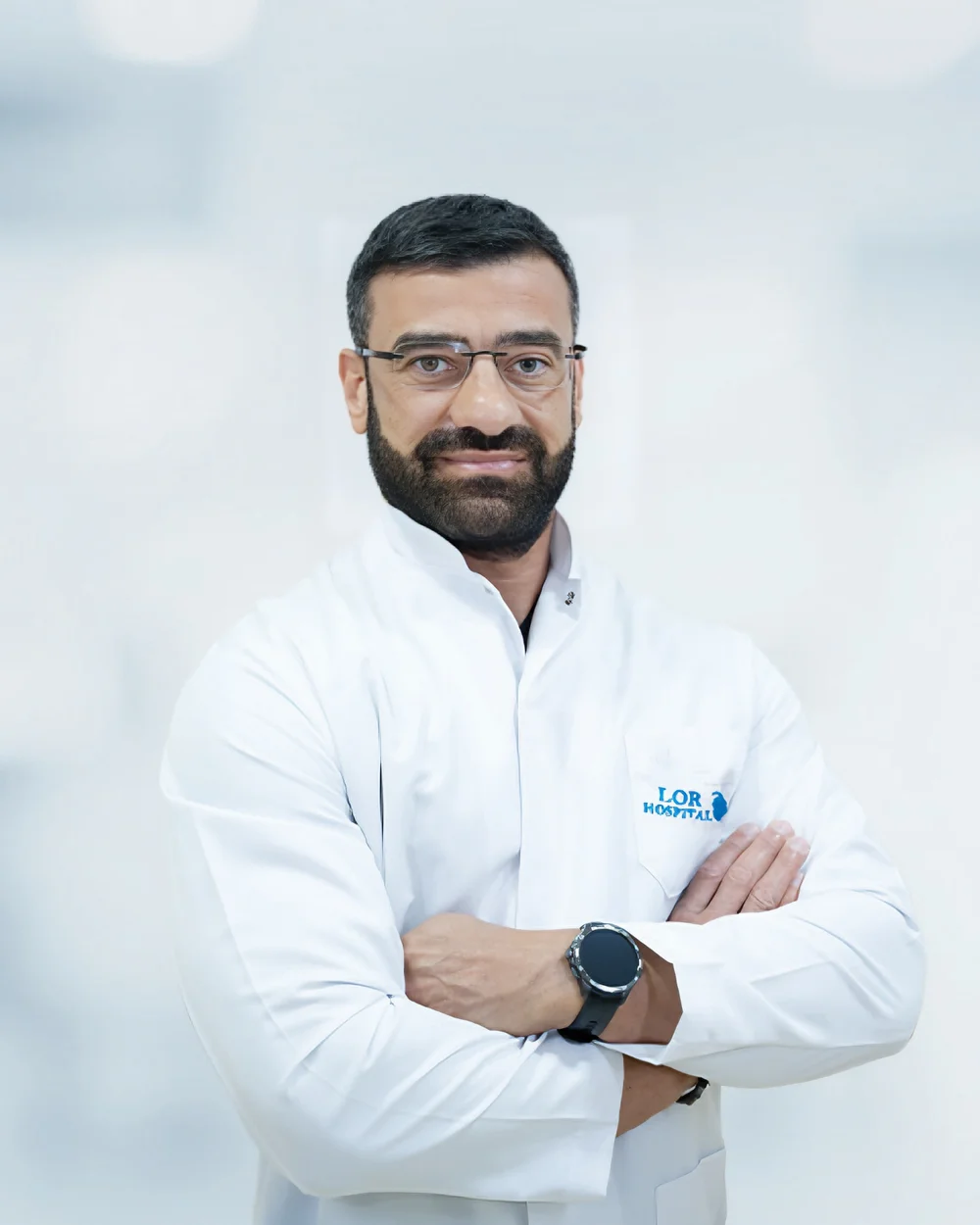
Dr. Fuad Guliyev
Anesthesiologist and Reanimatologist, Head of Department

Dr. Ceyhun Huseynov
Anesthesiologist and Reanimatologist

Spec.Dr. Aysel Hasanova
Ear, Nose & Throat (ENT) and Head & Neck Surgeon
Dr. Asif Ahmadov
Otorhinolaryngologist and Head & Neck Surgery Specialist