
Radiofrequency Application
Radiofrequency (RF) application is a minimally invasive procedure that uses high-frequency radio waves to generate microthermal energy in tissues, reducing their volume and normalizing their function. This tissue-preserving, virtually painless method allows the patient to breathe naturally without major disruption to daily activities.
Indications:
- Nasal turbinate hypertrophy
- Eustachian tube dysfunction causing ear congestion
- Snoring and mild sleep apnea
- Reduction of small tongue and soft palate tissues in some cases
- Chronic tonsil and adenoid enlargement
- Nasal polyps in some cases
Procedure:
- Performed under local anesthesia, painlessly.
- A probe delivers high-frequency energy into the tissue.
- Energy gradually reduces tissue volume without damaging the surface.
- Duration: 5–15 minutes
- The patient can go home the same day.
Advantages:
- No cuts or stitches
- Painless and bloodless
- Can be performed on an outpatient basis
- Rapid improvement in breathing
- Surface tissues remain intact
- Can be repeated if necessary
Post-procedure expectations:
- Mild congestion, rarely minor blood-tinged discharge
- Safe recovery within 1–3 days
- Supportive therapy with medications and nasal rinses
- Minimal need for painkillers
FAQs:
1. Is RF a surgical procedure?
- No, it is a tissue-preserving intervention, not a surgery.
2. Can it be repeated?
- Yes, if the underlying cause persists (allergy, irritants), but usually one session is sufficient.
3. When are results visible?
- Nasal congestion usually improves within 1–2 weeks, with maximum effect in 3–4 weeks.
4. Does RF change the appearance?
- No, the treatment is internal and does not affect external appearance.
Indications:
- Nasal turbinate hypertrophy
- Eustachian tube dysfunction causing ear congestion
- Snoring and mild sleep apnea
- Reduction of small tongue and soft palate tissues in some cases
- Chronic tonsil and adenoid enlargement
- Nasal polyps in some cases
Procedure:
- Performed under local anesthesia, painlessly.
- A probe delivers high-frequency energy into the tissue.
- Energy gradually reduces tissue volume without damaging the surface.
- Duration: 5–15 minutes
- The patient can go home the same day.
Advantages:
- No cuts or stitches
- Painless and bloodless
- Can be performed on an outpatient basis
- Rapid improvement in breathing
- Surface tissues remain intact
- Can be repeated if necessary
Post-procedure expectations:
- Mild congestion, rarely minor blood-tinged discharge
- Safe recovery within 1–3 days
- Supportive therapy with medications and nasal rinses
- Minimal need for painkillers
FAQs:
1. Is RF a surgical procedure?
- No, it is a tissue-preserving intervention, not a surgery.
2. Can it be repeated?
- Yes, if the underlying cause persists (allergy, irritants), but usually one session is sufficient.
3. When are results visible?
- Nasal congestion usually improves within 1–2 weeks, with maximum effect in 3–4 weeks.
4. Does RF change the appearance?
- No, the treatment is internal and does not affect external appearance.
Doctors
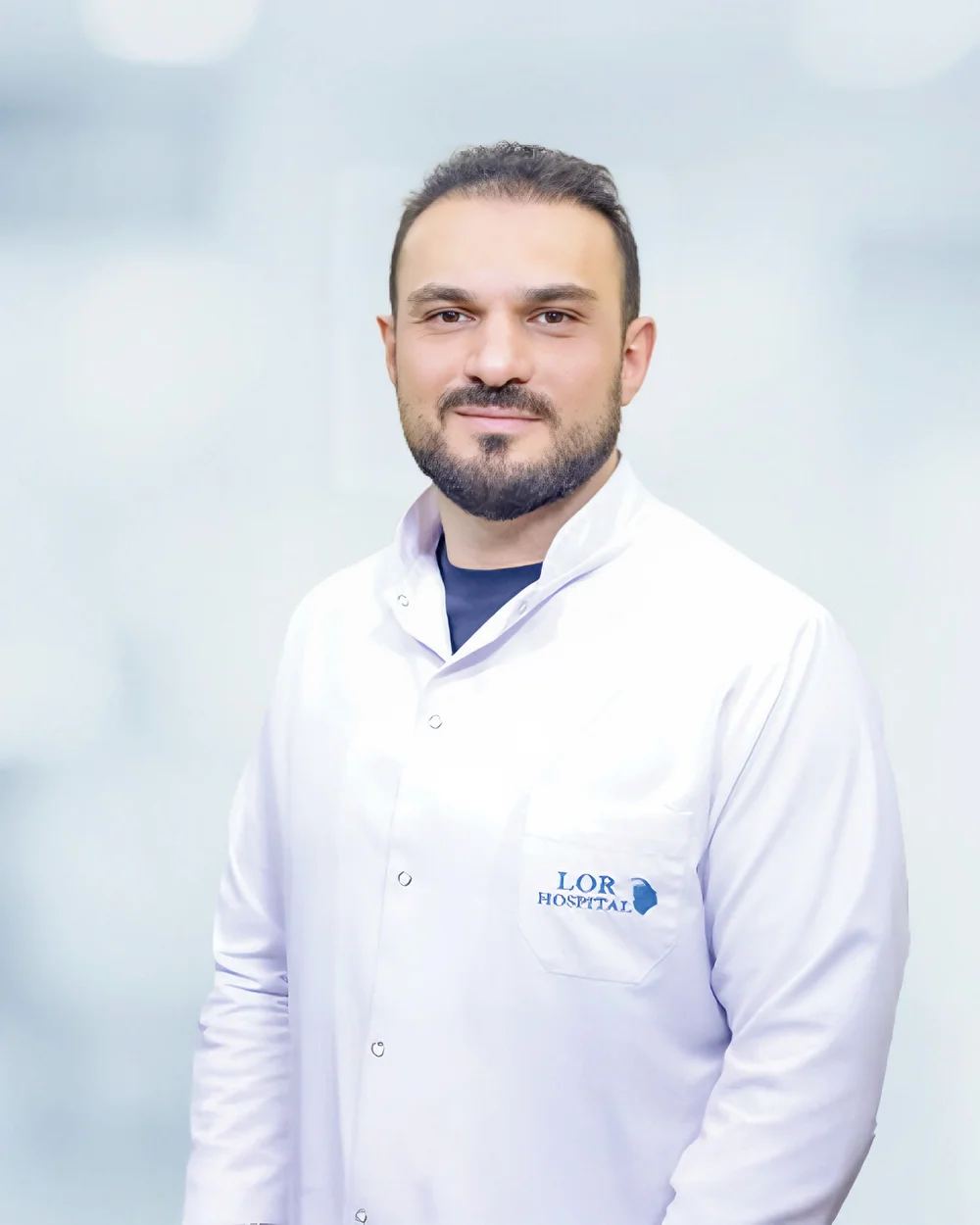
Dr. Khayyam Masiyev
Specialist in otolaryngology and head and Neck Surgery, Chief Physician
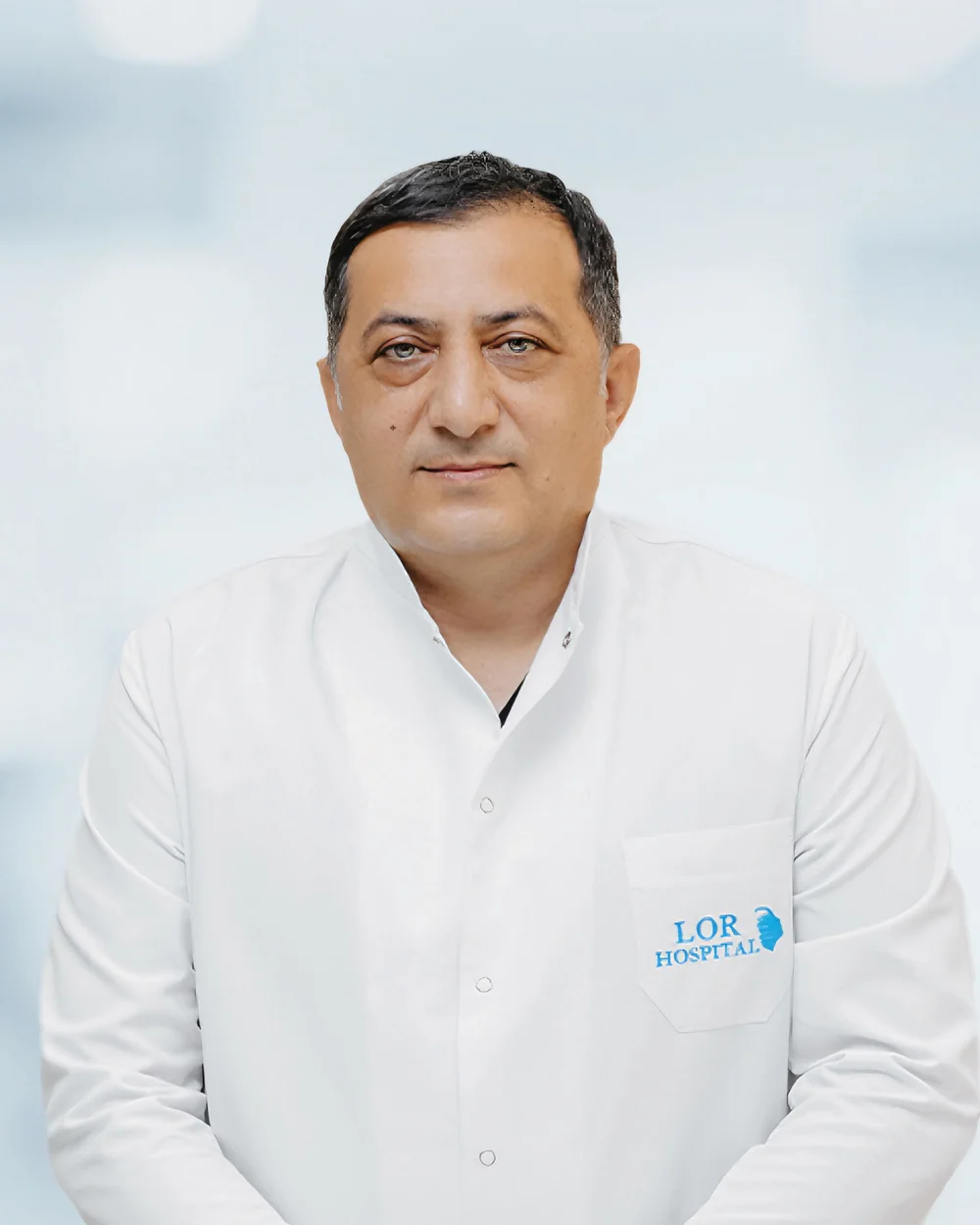
Dr. Tajaddin Muradov
Specialist in otolaryngology and head and Neck Surgery
Dr. Jamshid Mammadov
Otolaryngologist

Docent. Dr. Ramil Hashimli
Otolaryngologist, Phoniatrist

Dr. Dilshad Shadlinskaya
Otolaryngologist, Phoniatrist
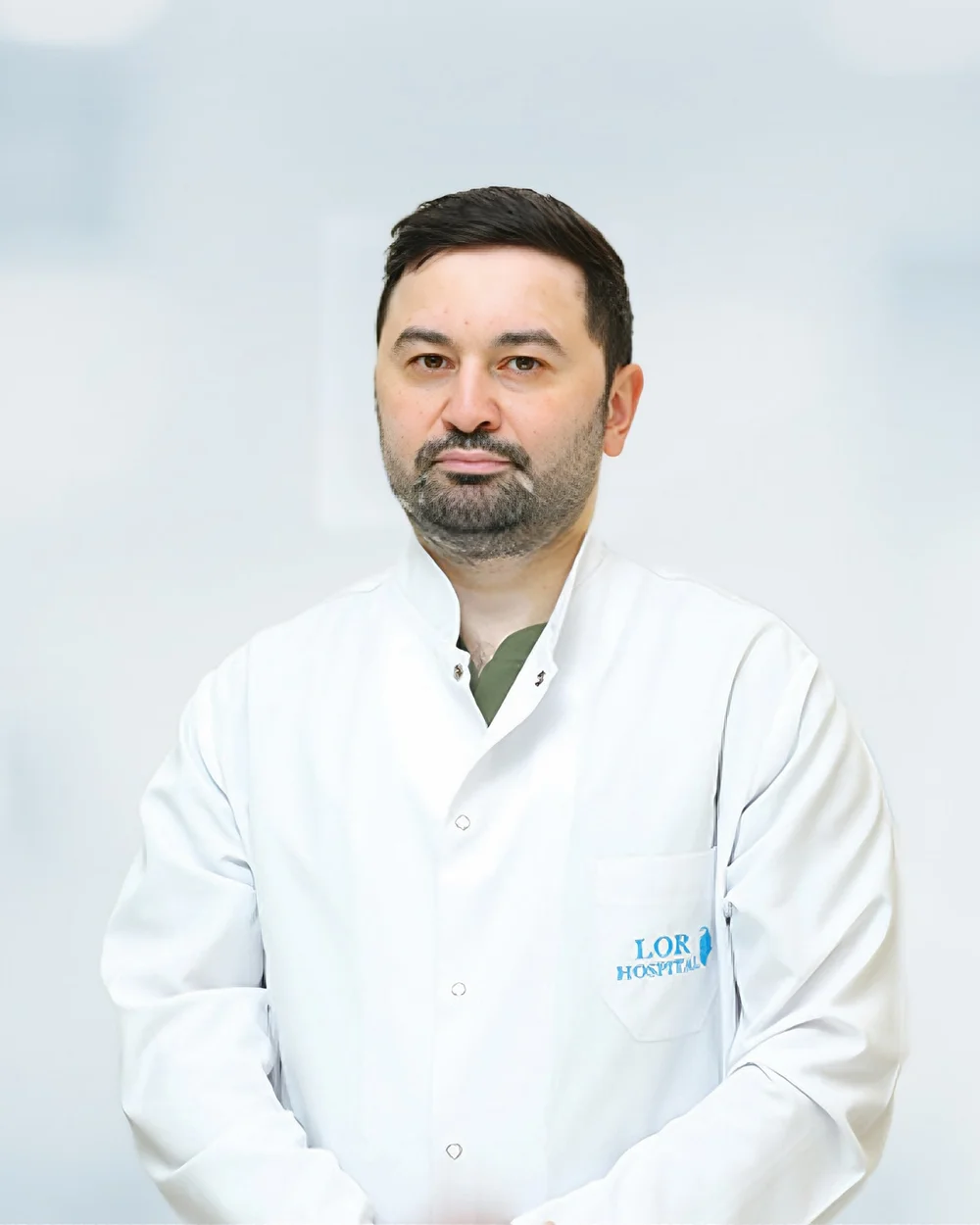
Dr. Kamil Suleymanov
Otolaryngologist, Phoniatrist
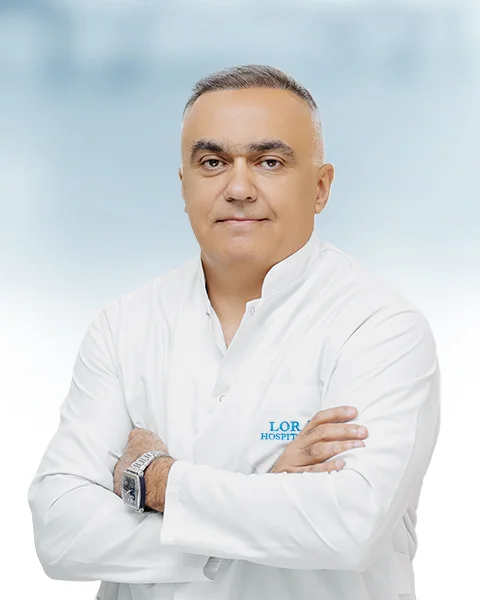
Dr. Ilkin Mikayilzade
Otolaryngologist
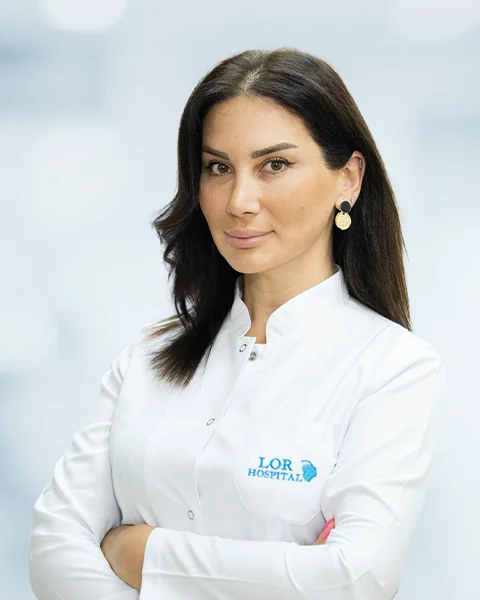
Dr. Sevinc Shikhaliyeva
Ear, Nose and Throat (ENT) Surgeon

Dr. Nuray Shukurova
Otolaryngologist
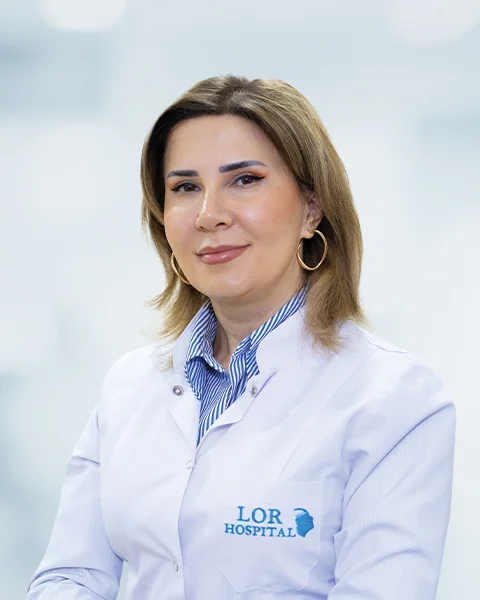
Dr. Natavan Yagubova
Otolaryngologist
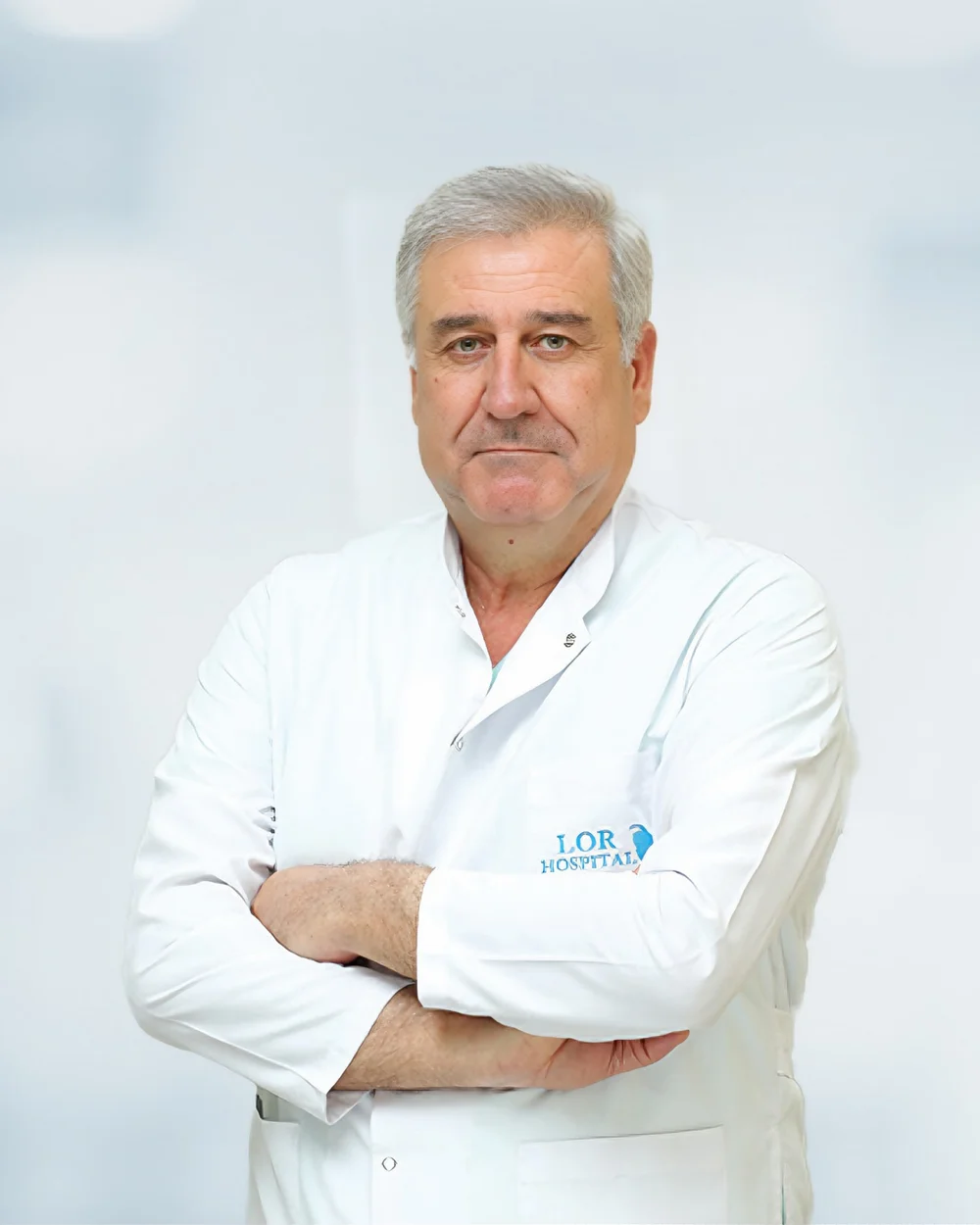
Dr. Yavarifar Mehrdad
Otolaryngologist
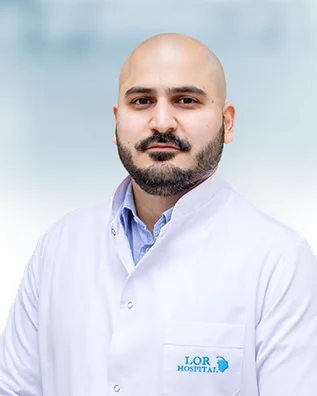
Dr. Agil Agayev
Otolaryngologist, otolaryngologist

Dr. Elvira Yagubova
Otolaryngologist
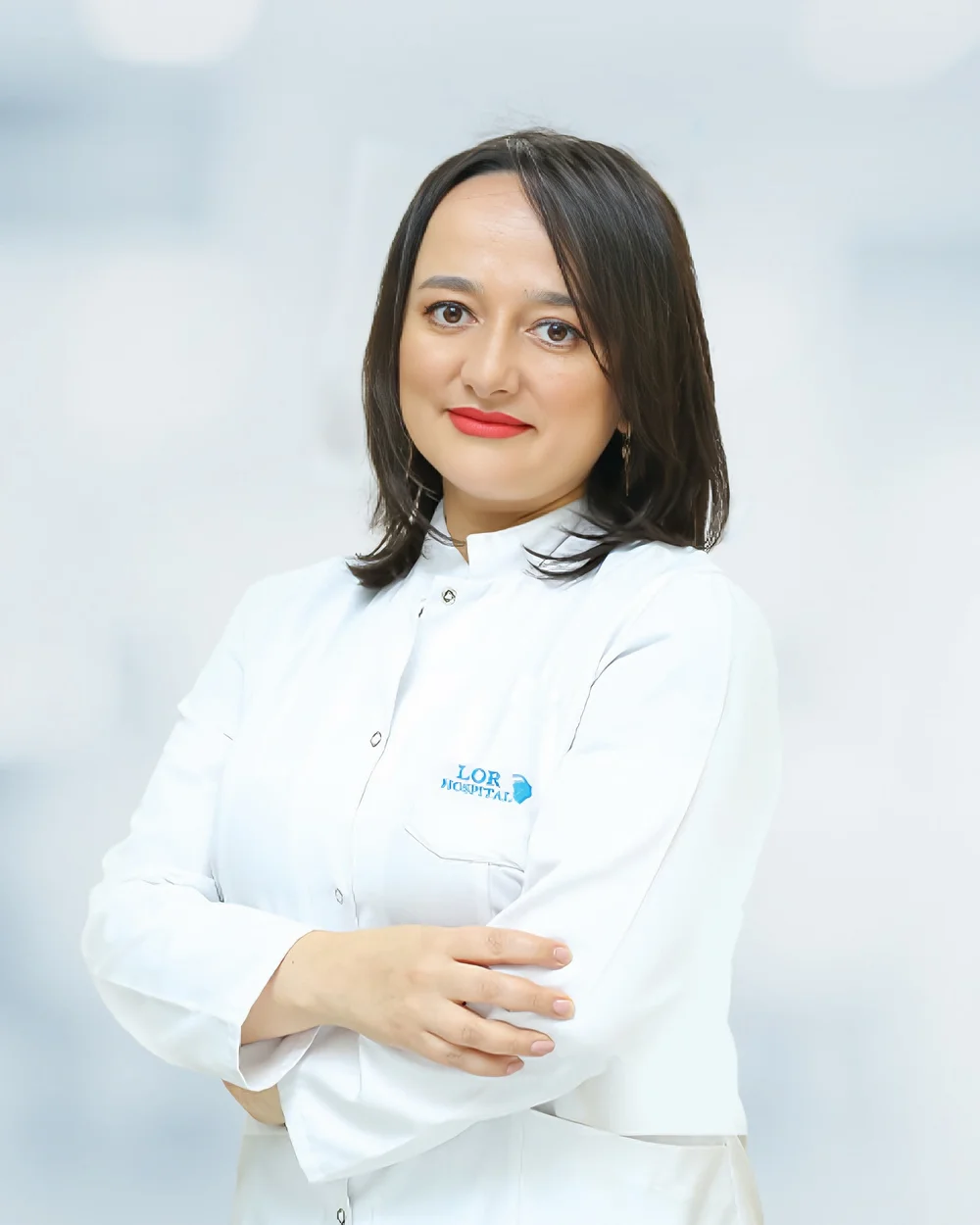
Dr. Taliya Mammadova
Otolaryngologist
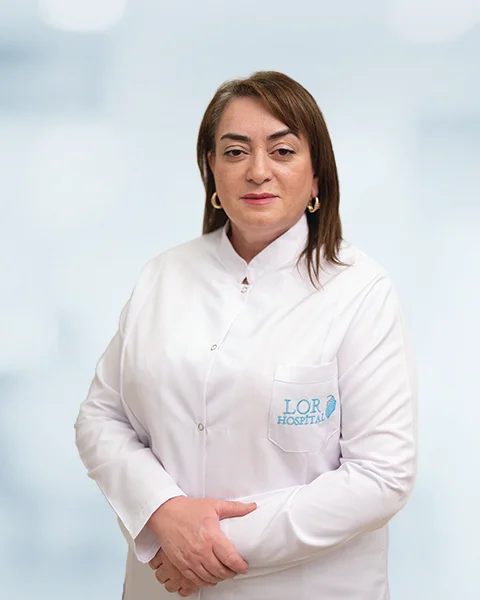
Dr. Kamila Allahverdiyeva
Otolaryngologist

Dr. Amalia Mammadova
Audiologist
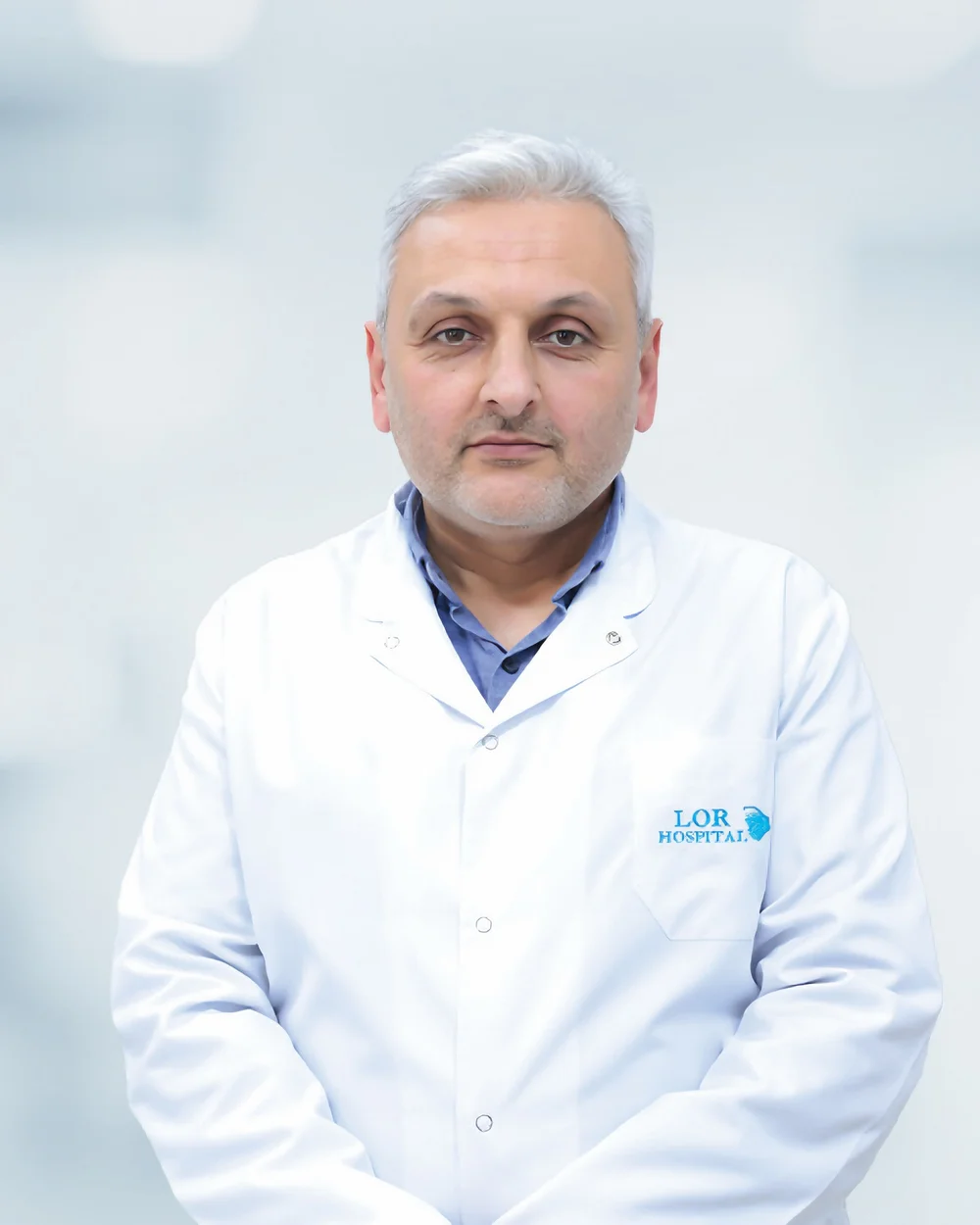
Dr. Joshgun Mammadli
Pulmonologist
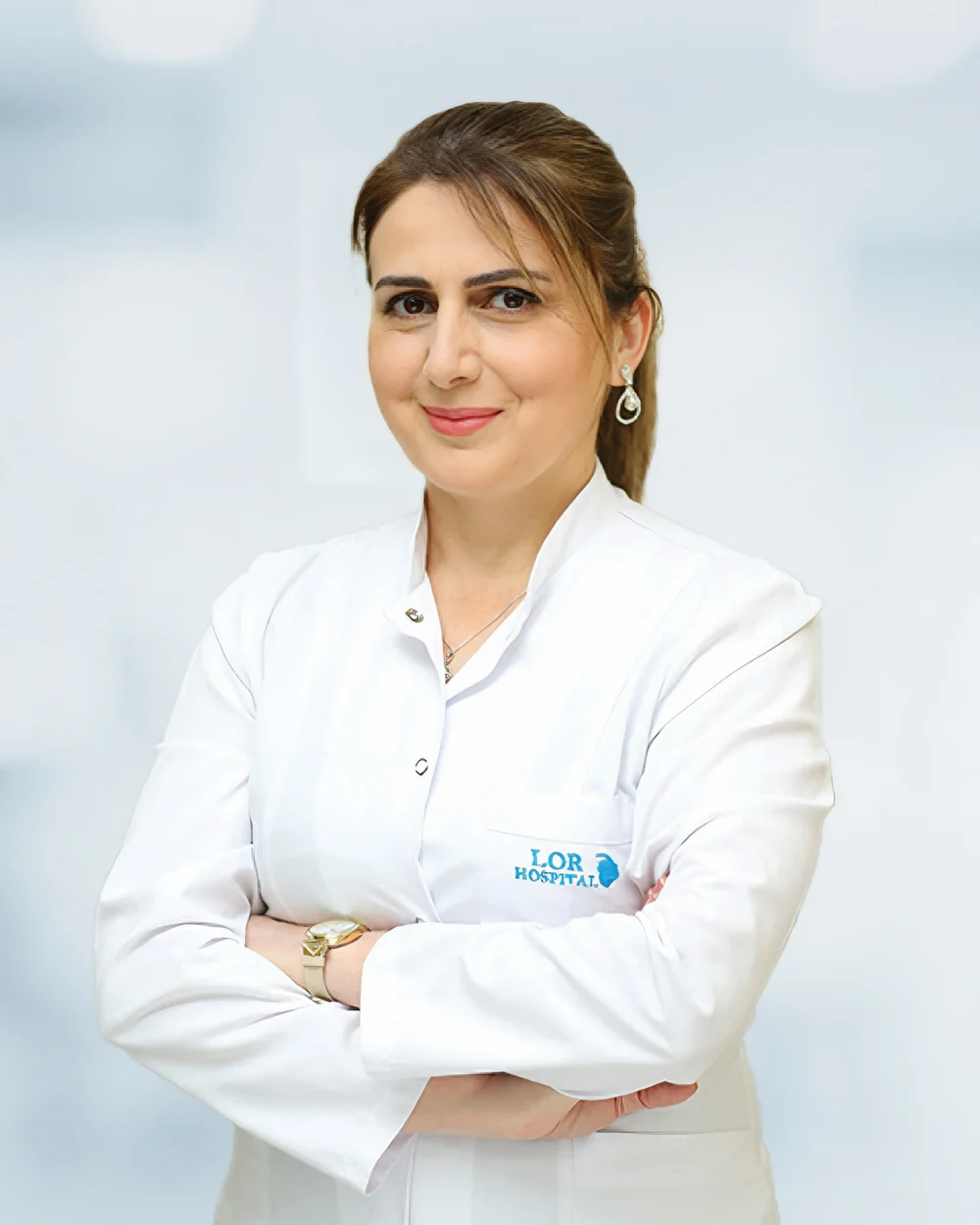
Dr. Sevda Hajiyeva
Cardiologist

Dr. Mahtaban Gadimali
Otolaryngologist

Dr. Ulvi Malikov
Otolaryngologist
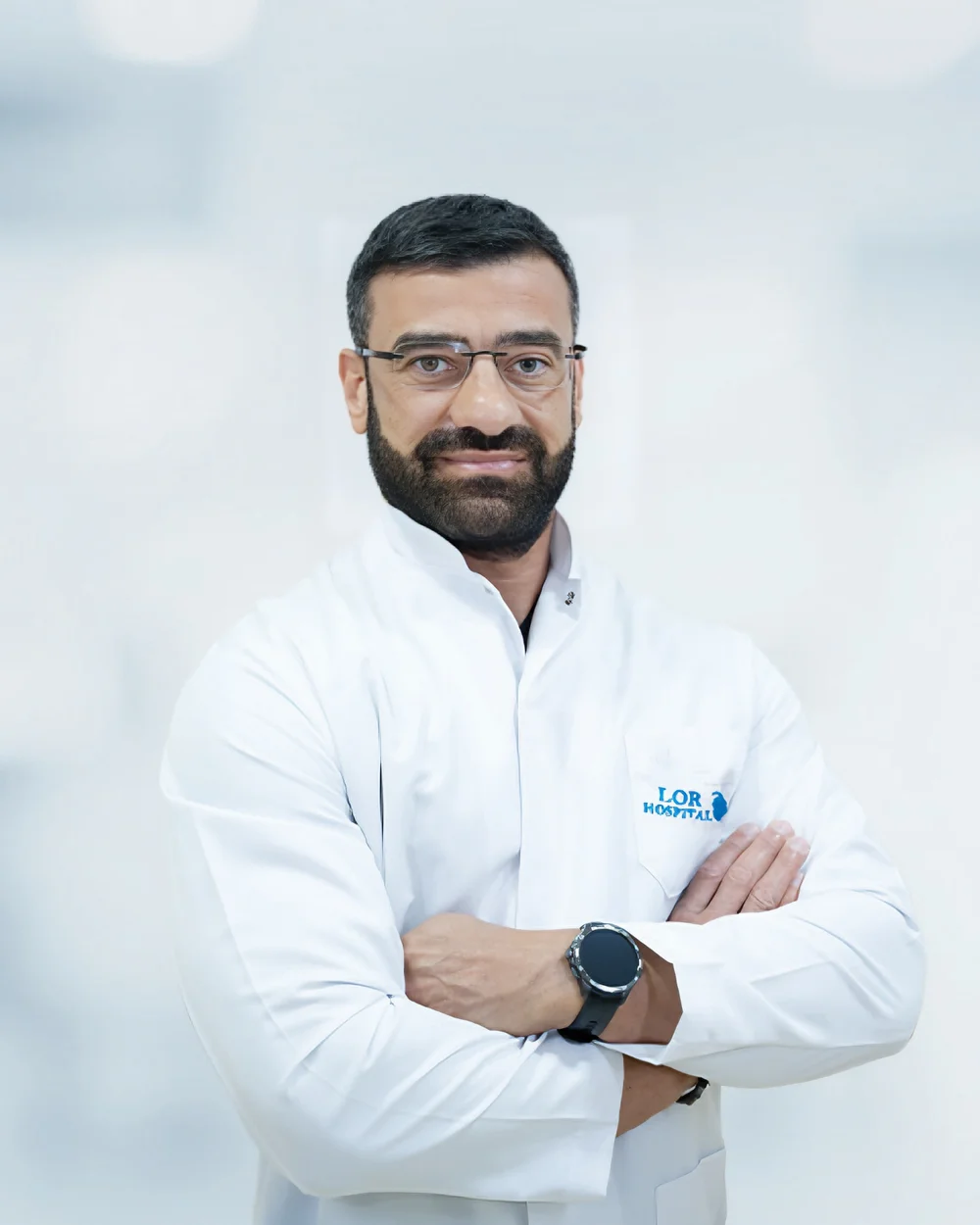
Dr. Fuad Guliyev
Anesthesiologist and Reanimatologist, Head of Department

Dr. Ceyhun Huseynov
Anesthesiologist and Reanimatologist
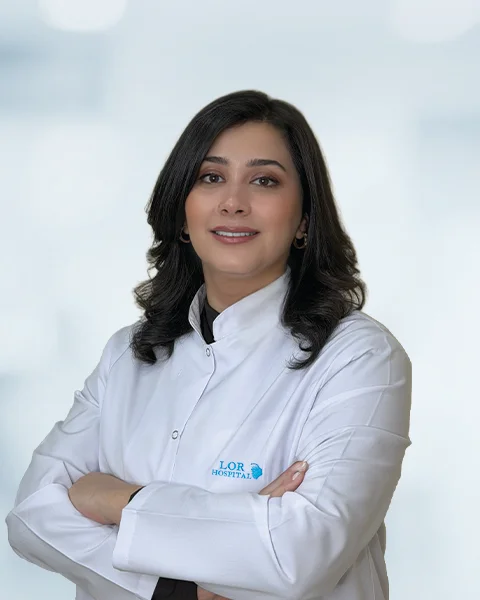
Spec.Dr. Aysel Hasanova
Ear, Nose & Throat (ENT) and Head & Neck Surgeon
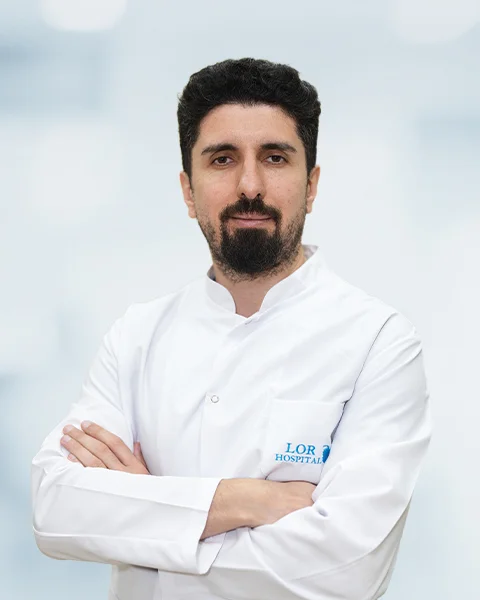
Dr. Asif Ahmadov
Otorhinolaryngologist and Head & Neck Surgery Specialist